How AI Helps You Stay Motivated (Without Being Creepy)
- November 28, 2025
- ~ 1 min read
- 137 views
- Lifestyle & AI , Future of Work , Everyday AI
Introduction to AI and Motivation
Staying motivated is a universal challenge—whether you're striving to meet a work deadline, pursuing a personal goal, or simply trying to maintain a healthy routine. Motivation fuels our ability to take action, persist through obstacles, and achieve meaningful results. In both personal and professional contexts, personal motivation is the invisible engine that drives progress, creativity, and resilience.
The Role of AI in Modern Motivation
Enter artificial intelligence (AI). Once seen as a futuristic concept, AI has become a practical ally in our daily lives. From smart assistants to personalized learning platforms, AI is increasingly used to support and enhance motivation. By analyzing patterns, offering timely reminders, and providing tailored feedback, AI tools can help individuals stay focused, inspired, and on track. The promise of AI and motivation is not just about efficiency—it's about unlocking new ways to understand and nurture our inner drive.
Balancing Innovation with Privacy
Yet, as AI becomes more integrated into our routines, a critical question arises: How can we leverage these tools without feeling watched or uncomfortable? The dual challenge lies in harnessing the AI benefits for motivation while respecting privacy and avoiding the "creepy" factor. Ethical AI use is essential—tools should empower, not intrude. This means designing systems that are transparent, user-controlled, and focused on genuine support rather than surveillance.
What to Expect in This Article
In the following sections, we’ll explore how AI can help you stay motivated in practical, ethical ways. You’ll learn about real-world applications, from personalized coaching to smart reminders, and discover strategies to use AI without sacrificing your comfort or privacy. By the end, you’ll have a clear understanding of how to make ethical AI a positive force in your journey toward sustained motivation and success.
AI is not here to replace your motivation—it’s here to help you find it, nurture it, and keep it alive, all while respecting your boundaries.
Understanding How AI Supports Motivation
Personalizing Motivation Through Adaptive AI
At the heart of AI’s ability to support motivation lies its power to personalize experiences using advanced machine learning algorithms. Adaptive AI systems analyze individual behaviors, preferences, and performance patterns to tailor content and interactions specifically for each user. This process, often called adaptive learning, ensures that the motivational strategies align with the user’s unique needs and goals rather than applying a one-size-fits-all approach.
For example, AI can identify which tasks a user finds engaging or challenging and then dynamically adjust the difficulty or type of content accordingly. This challenge calibration helps maintain an optimal balance where tasks feel stimulating but not overwhelming, keeping motivation high by fostering a sense of progress and mastery. By continuously learning from user interactions, AI creates a personalized motivational environment that evolves in real time.
Real-Time Feedback and Encouragement
One of the most effective ways AI supports motivation is through its capacity to provide real-time feedback. Unlike traditional systems where feedback might be delayed, AI evaluates user actions instantly, offering immediate insights and encouragement. This timely response helps users recognize their strengths and areas for improvement promptly, reinforcing positive behaviors and correcting mistakes before frustration builds.
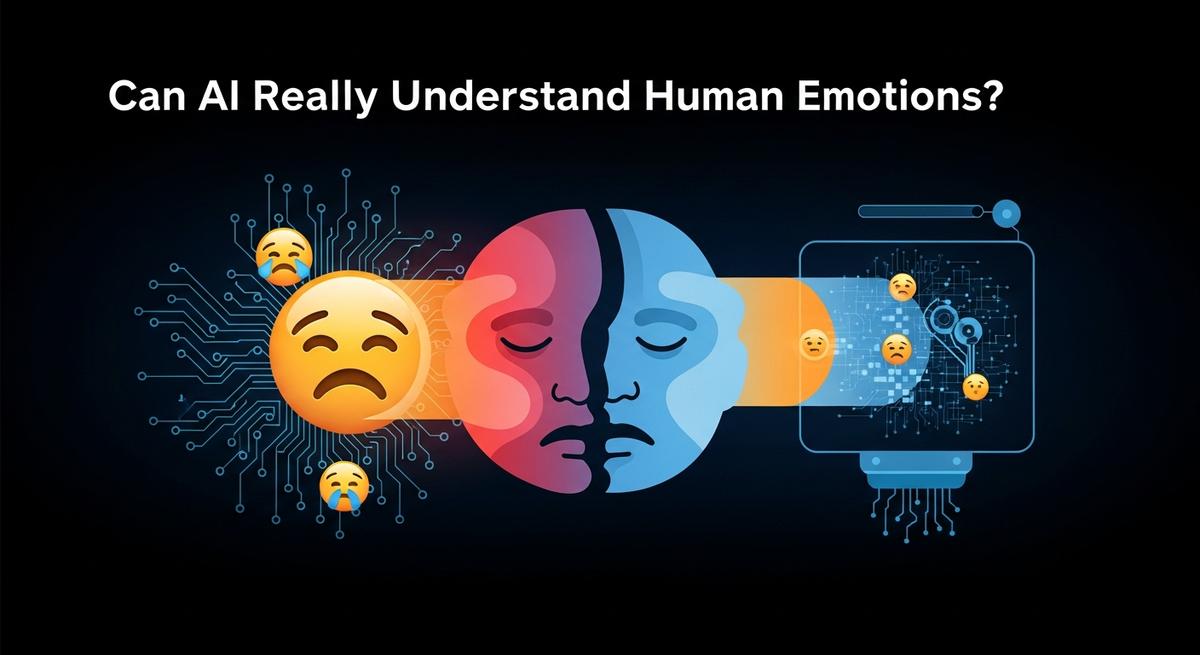
Moreover, AI-driven feedback can be delivered in a supportive, human-like manner using emotional recognition technologies. By detecting subtle cues such as tone, facial expressions, or interaction patterns, AI systems can adapt their responses to be empathetic and encouraging, which enhances engagement without feeling intrusive.
Balancing Challenge and Engagement Without Overwhelm
Maintaining motivation requires a delicate balance between pushing users to grow and avoiding burnout or disengagement. AI excels at this through challenge calibration, a process where the system continuously assesses the user’s current abilities and adjusts task difficulty to stay within an optimal challenge zone. This approach is grounded in psychological research showing that motivation peaks when challenges are neither too easy nor too difficult.
By keeping users in this “sweet spot,” AI fosters sustained engagement and confidence. If a task becomes too hard, the AI can offer additional support or simplify the challenge; if it becomes too easy, it can introduce new complexities. This dynamic adjustment helps users experience consistent growth, which is a key driver of long-term motivation.
Respecting Autonomy and Privacy to Avoid Creepiness
While AI’s personalized support can be highly motivating, it must be balanced with a strong commitment to privacy in AI and respect for user autonomy to avoid feelings of discomfort or creepiness. Ethical AI systems are designed to be transparent about what data they collect and how it is used, giving users control over their information and choices.
Rather than tracking users excessively or making decisions without consent, responsible AI frameworks prioritize user empowerment. This means users can set preferences, opt out of certain data collection, and understand how AI supports their motivation without feeling surveilled. By combining personalization with strict privacy safeguards, AI builds trust and creates a motivational experience that feels supportive rather than intrusive.
Real-World Applications of AI in Motivation
Artificial intelligence is no longer just a futuristic concept—it’s actively helping people stay motivated across education, work, fitness, and daily life. The most effective AI tools are those that support motivation without crossing into intrusive territory, offering personalized encouragement and actionable insights while respecting privacy and autonomy.
AI in Education: Personalized Learning Platforms
One of the most visible examples of AI boosting motivation is in education. Platforms like Khan Academy, DreamBox, and Coursera use AI in education to tailor content to each student’s learning pace and interests. For instance, if a student excels in math but struggles with reading, the system adapts by offering more challenging math problems and additional reading support. This personalization keeps learners engaged and motivated, as they feel the material is relevant and achievable.
At Hamad Bin Khalifa University in Qatar, AI-powered tools create customized learning materials that match how students engage best, resulting in higher motivation and better outcomes. Studies show that students in AI-enhanced classrooms achieve up to 54% higher test scores and show 30% better learning outcomes compared to traditional settings. These platforms provide instant feedback, adaptive quizzes, and gamified elements—like points and badges—without collecting unnecessary personal data, ensuring a motivating yet respectful experience.
Workplace AI: Boosting Employee Motivation
In the workplace, AI tools are helping teams stay motivated by automating routine tasks and providing personalized support. For example, AI-powered project management systems can suggest optimal workflows, remind employees of deadlines, and even recommend breaks based on workload patterns. This not only reduces burnout but also keeps employees focused and motivated.
Some organizations use AI-driven feedback systems that offer real-time encouragement and recognition for achievements, fostering a positive work environment. These tools are designed to enhance employee motivation by focusing on productivity and well-being, not surveillance. By automating mundane tasks, AI frees up time for creative and meaningful work, which naturally boosts engagement and job satisfaction.
Fitness and Wellness: AI-Powered Motivation
Fitness AI apps like Fitbit and MyFitnessPal use AI to track progress, set personalized goals, and send motivational prompts. These apps analyze user data to recommend workouts, nutrition plans, and reminders, making it easier to build and maintain healthy habits. For example, if a user consistently skips morning workouts, the app might suggest a different time or offer a motivational message to encourage consistency.
These fitness AI apps are designed to be supportive, not judgmental. They celebrate milestones, provide gentle nudges, and respect privacy by allowing users to control what data is shared. The result is a more sustainable approach to fitness, where motivation comes from progress and encouragement, not pressure.
Virtual Assistants: Personalized Motivation Anytime
Virtual assistants like Siri, Alexa, and Google Assistant are increasingly being used to support motivation through reminders, progress tracking, and motivational prompts. For example, a virtual assistant might remind you to take a break, congratulate you on completing a task, or suggest a motivational quote to start your day.
These virtual assistants are designed to be helpful and unobtrusive, offering support without constant monitoring. They can track your goals, celebrate achievements, and provide gentle encouragement, making it easier to stay motivated throughout the day.
AI’s real power lies in its ability to personalize motivation—making it relevant, timely, and respectful of individual boundaries.
Advanced Insights: Technical and Ethical Dimensions
Cutting-Edge AI Techniques in Motivation: Generative AI and Affective Computing
Generative AI has emerged as a powerful tool in personal motivation by creating personalized, context-aware content that inspires action. Leveraging advanced machine learning models such as deep learning transformers, generative AI platforms analyze vast datasets to generate motivational language tailored to individual emotional states and preferences. For example, these systems can produce messages that evoke specific emotions—like excitement or gratitude—thus enhancing engagement and driving behavioral change.
Complementing generative AI, affective computing technologies enable AI to detect, interpret, and respond to users’ emotional cues through biometric data, facial expressions, or voice tone analysis. This emotional intelligence allows AI systems to adapt motivational strategies in real time, ensuring interactions feel supportive rather than intrusive. Together, these technologies create a dynamic motivational environment that is personalized, empathetic, and responsive without crossing privacy boundaries.
Design Challenges: Balancing Motivation, Autonomy, and Privacy
Designing AI that effectively motivates without manipulation or privacy invasion involves navigating complex technical and ethical challenges. One key difficulty lies in maintaining user autonomy—ensuring that AI prompts encourage self-driven motivation rather than coercing behavior. Overly persuasive AI risks undermining intrinsic motivation by fostering dependency on external prompts.
Privacy concerns also loom large. Affective computing requires sensitive emotional data, raising questions about consent, data security, and potential misuse. Developers must implement robust data anonymization and transparent data usage policies to build trust. Furthermore, AI systems must avoid opaque decision-making processes; users should understand how and why motivational content is generated to prevent discomfort or suspicion.
Ethical AI Frameworks and Expert Perspectives
Experts emphasize the necessity of ethical AI frameworks that prioritize transparency, fairness, and respect for human dignity in motivation tools. These frameworks advocate for:
- Clear boundaries on data collection and usage, especially concerning emotional and behavioral data
- Mechanisms to prevent manipulation, such as limiting persuasive tactics to those that support autonomy and informed choice
- Regular audits to detect and mitigate biases that may skew motivational messaging unfairly
Ethicists and AI researchers argue that motivation-enhancing AI should augment rather than replace human judgment, fostering a partnership where AI supports users’ goals without overriding their agency.
Potential Risks: Dependency, Intrinsic Motivation Reduction, and Bias
While AI-driven motivation offers many benefits, it also carries notable risks. One major concern is the potential for dependency, where users rely excessively on AI prompts, diminishing their ability to self-motivate. Research indicates that generative AI can sometimes reduce intrinsic motivation by automating cognitively engaging parts of tasks, leading to boredom or disengagement when AI support is absent.
Bias in AI models can also skew motivational content, favoring certain demographics or reinforcing stereotypes. Without careful design and continuous monitoring, these biases can harm user experience and equity. Addressing these risks requires integrating fairness-aware algorithms and fostering user feedback loops to refine AI behavior.
Ongoing Research and Future Trends in Ethical AI-Driven Motivation
Current research explores how to optimize the balance between AI assistance and human autonomy. Studies show that collaboration models where AI provides initial ideas or scaffolding, and humans refine and personalize outputs, yield the best motivational outcomes. This approach preserves creative engagement and intrinsic drive while benefiting from AI’s efficiency and personalization capabilities.
Future trends point toward more sophisticated affective computing combined with explainable AI that clarifies its motivational logic to users. Additionally, ethical AI frameworks will evolve to incorporate real-time consent management and adaptive privacy controls, empowering users to govern their data and motivational experience actively.
In sum, the integration of generative AI, affective computing, and rigorous ethical AI frameworks heralds a new era of motivation technologies—one that enhances personal drive while safeguarding autonomy, privacy, and fairness.
Practical Guide to Using AI for Motivation
1. Identify Trustworthy AI Tools That Respect Privacy and User Control
Choosing the right AI motivation tools is the first critical step toward enhancing your productivity without compromising your privacy or autonomy. Prioritize platforms that explicitly emphasize privacy settings and offer transparent data practices. Look for tools that provide clear information about how your data is used, stored, and shared, and that allow you to control what information is collected.
Reputable AI tools often include features such as data encryption, user consent protocols, and compliance with regulations like GDPR. Additionally, seek out AI solutions that incorporate explainable AI (XAI) principles, so you understand how motivational suggestions are generated. Examples include AI coaching apps that let you customize interaction frequency and content type, ensuring the AI acts as a supportive guide rather than an intrusive presence.
2. Step-by-Step Guide to Setting Up Personalized AI Motivation Systems
Setting up an AI-driven motivation system tailored to your needs involves several straightforward steps:
- Define your motivation goals: Clarify what areas you want to improve—whether it’s daily productivity, habit formation, or stress management.
- Choose an AI tool aligned with your goals: Select from apps that specialize in micro-coaching, behavioral feedback, or personalized reminders, ensuring they support robust user control features.
- Create a user profile with accurate preferences: Input your motivation triggers, preferred communication style, and boundaries for AI interaction.
- Adjust privacy and notification settings: Review and customize privacy options to limit data sharing and control how often the AI sends prompts or feedback.
- Integrate the AI tool into your daily workflow: Link it with calendars, task managers, or wellness apps to enable seamless motivational nudges.
- Test and refine your setup: Monitor initial interactions and tweak preferences to ensure the AI’s support feels empowering rather than overwhelming.
This stepwise approach guarantees that your AI motivation system is not only personalized but also respects your autonomy and privacy from the outset.
3. Best Practices for Integrating AI Prompts and Feedback into Daily Routines
To maximize the benefits of AI motivation tools, integrate their prompts and feedback thoughtfully into your routine by following these motivation best practices:
- Set specific times for AI interactions: Schedule AI check-ins during natural breaks or at consistent times to avoid interruptions during focused work.
- Use AI feedback as a supplement, not a replacement: Combine AI insights with your own reflections and human support systems to maintain balanced motivation.
- Customize prompt frequency and tone: Choose encouragement styles that resonate with you—whether gentle reminders or more direct challenges—to keep motivation positive and engaging.
- Maintain transparency with yourself: Regularly review why the AI is suggesting certain actions to build trust and avoid feeling manipulated.
- Leverage AI for accountability: Use goal tracking and progress summaries to reinforce achievements and identify areas needing adjustment.
By thoughtfully embedding AI prompts into your day, you can harness technology’s power to sustain motivation without feeling overwhelmed or surveilled.
4. Tips to Monitor AI’s Impact on Motivation and Adjust Usage Accordingly
Continuous evaluation is essential to ensure your AI motivation tools remain effective and comfortable to use. Consider these tips for monitoring and optimizing AI support:
- Track your motivation levels and productivity: Keep a journal or use app analytics to compare motivation before and after AI integration.
- Solicit feedback from peers or mentors: External perspectives can help identify if AI-driven behaviors are beneficial or potentially intrusive.
- Adjust privacy settings as needed: If you feel uneasy about data use or AI behavior, revisit and tighten your privacy settings or reduce AI access.
- Pause or scale back AI interactions: If motivation dips or stress rises, temporarily reduce AI prompts to regain balance.
- Stay informed about AI updates and ethical standards: Engage with communities or resources focused on ethical AI to keep your tools aligned with best practices.
Empowering yourself through regular assessment and adjustment ensures that AI remains a positive motivational partner rather than a source of discomfort or dependency.
Comparing AI Approaches to Motivation
AI vs Traditional Motivation: A Balanced View
When it comes to staying motivated, both AI-driven and traditional techniques have their place. Traditional motivation methods—such as goal-setting journals, accountability partners, and human coaching—rely on personal relationships, self-reflection, and structured routines. These approaches foster deep emotional connections and tailored feedback, but they can be time-consuming and less scalable. In contrast, AI vs traditional motivation reveals a new landscape where technology offers instant, data-driven nudges and personalized encouragement, often at scale.
AI-powered motivation tools excel in their ability to adapt in real time. By analyzing your habits, mood, and progress, AI can deliver timely reminders, celebrate small wins, and adjust strategies as your needs evolve. This level of personalization is difficult to achieve with traditional methods, which may not always respond to your changing circumstances as quickly or precisely.
Motivation Pros and Cons: What You Gain (and What You Risk)
The motivation pros and cons of AI are clear. On the positive side, AI offers:
- Personalization: AI tailors its approach to your unique preferences, learning style, and emotional state.
- Scalability: AI can support thousands of users simultaneously, making it ideal for organizations and large groups.
- Real-time adaptation: AI adjusts its feedback and nudges based on your current progress and engagement.
However, there are notable downsides. Privacy trade-offs are a major concern—AI systems often require access to personal data to function effectively, which can raise questions about data security and user autonomy. Additionally, some users report feeling a sense of creepiness when AI seems to know too much or intervenes at inopportune moments. Over-reliance on AI can also diminish self-efficacy, as individuals may begin to depend on external prompts rather than cultivating internal motivation.
AI can be a powerful ally in motivation, but it’s essential to strike a balance between convenience and privacy, personalization and autonomy.
Alternative Motivation Methods: Human Touch and Peer Support
While AI offers compelling advantages, it’s not the only path to sustained motivation. Human coaching, peer support groups, and community-based initiatives provide emotional connection, accountability, and shared experiences that AI cannot fully replicate. These alternative motivation methods foster trust, empathy, and a sense of belonging, which are crucial for long-term engagement.
For many, the most effective approach is a hybrid model—combining the scalability and adaptability of AI with the warmth and insight of human interaction. This blend allows individuals to benefit from real-time feedback and personalized nudges while maintaining meaningful relationships and a sense of control over their motivation journey.
In summary, AI-driven motivation is a powerful tool, but it’s not a one-size-fits-all solution. By understanding the motivation pros and cons and exploring complementary approaches, you can create a motivation strategy that’s both effective and respectful of your privacy and personal values.
Conclusion and Next Steps
AI Motivation Summary: Empowering, Not Overpowering
Throughout this article, we’ve explored how artificial intelligence can be a powerful ally in maintaining motivation—without crossing the line into creepiness or intrusion. From smart scheduling assistants that protect your focus time to AI agents that automate repetitive tasks and provide timely encouragement, these tools are designed to support your goals, not dictate them. The key lies in their ability to adapt to your habits, preferences, and boundaries, offering personalized nudges and insights that feel helpful rather than invasive. When used thoughtfully, AI can help you stay on track, reduce mental fatigue, and reclaim valuable time for the work that truly matters.
Upholding Ethical AI Use and User Empowerment
As AI becomes more integrated into our daily routines, it’s essential to prioritize ethical AI use and AI empowerment. This means choosing tools that respect your privacy, give you control over your data, and allow you to set clear boundaries. Look for platforms that are transparent about how they collect and use information, and always review privacy settings before getting started. Remember, the goal is to enhance your motivation and productivity—not to surrender your autonomy. By staying informed and making conscious choices, you can ensure that AI remains a supportive partner in your journey, not a source of discomfort or concern.
Next Steps: Explore, Experiment, and Stay Informed
Now that you understand the potential of AI to boost motivation in a respectful and empowering way, it’s time to take action. Start by exploring a few AI tools that align with your needs and values. Whether it’s a scheduling assistant, a task manager, or a virtual coach, try them out with a critical eye and an open mind. Pay attention to how each tool impacts your motivation, focus, and overall well-being. Stay curious and keep learning about new developments in the field—AI is evolving rapidly, and staying informed will help you make the most of its benefits.
“The best AI tools don’t just automate tasks—they empower you to achieve more with less stress and greater clarity.”
Take the next step today: choose one AI tool to experiment with, set clear boundaries for its use, and reflect on how it affects your motivation and productivity. By embracing AI empowerment and practicing ethical AI use, you can unlock new levels of personal and professional growth—without ever feeling like you’ve lost control.
Comments (0)
Please login or register to leave a comment.
No comments yet. Be the first to comment!