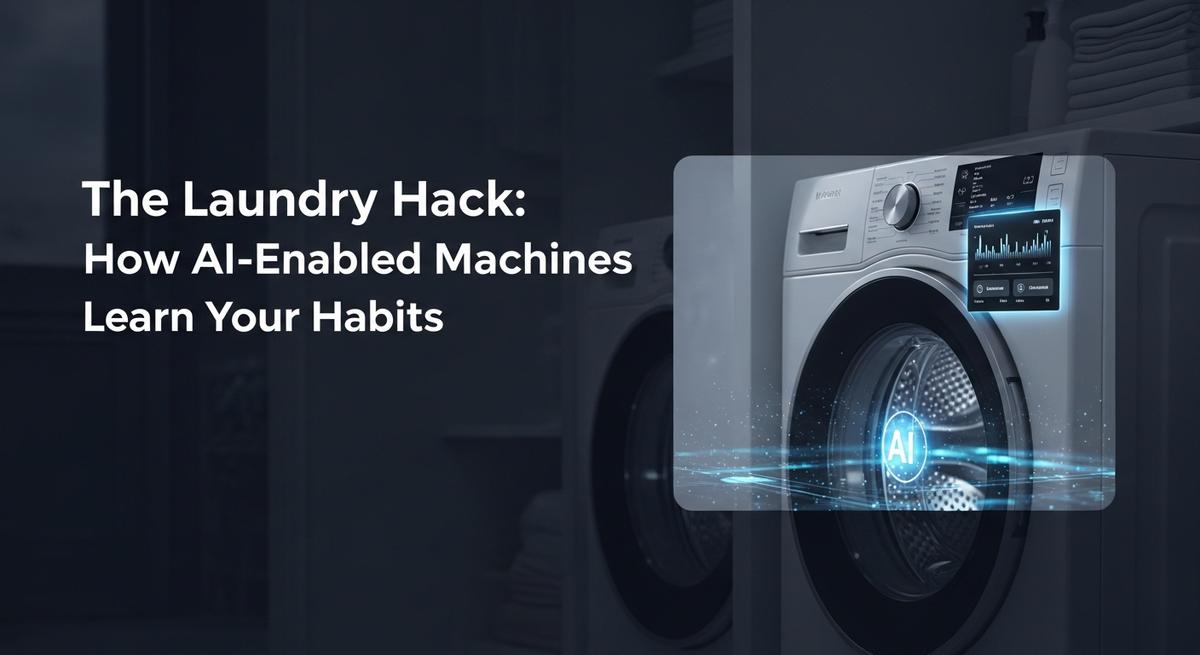
The Laundry Hack: How AI-Enabled Machines Learn Your Habits
- November 24, 2025
- ~ 1 min read
- 479 views
- Everyday AI , Lifestyle & AI , AI Robotics
Introduction to AI-Enabled Laundry Machines
Imagine a laundry day where you simply toss your clothes into the machine, and it takes care of everything—selecting the perfect cycle, adjusting water and energy use, and even learning your preferences over time. This isn’t science fiction; it’s the reality of AI-enabled washing machines in 2025. No more guessing which cycle to use or worrying about damaging delicate fabrics. Thanks to advances in smart laundry technology, your washing machine is now a true partner in making laundry easier, faster, and more efficient.
The Rise of AI in Household Appliances
AI has moved beyond smartphones and smart speakers, quietly transforming everyday appliances into intelligent helpers. From refrigerators that suggest recipes to ovens that learn your cooking habits, AI is making homes smarter. In the laundry room, this evolution is especially exciting. Modern washing machines now use advanced sensors and algorithms to detect fabric type, load size, and even soil levels, automatically adjusting settings for optimal results. This shift marks the beginning of true laundry automation, where machines don’t just follow commands—they learn and adapt.
Why AI-Enabled Laundry Machines Matter
For busy households, convenience is key. AI-enabled laundry machines eliminate the guesswork and manual effort traditionally associated with laundry. They optimize water and energy use, reduce wear on clothes, and even alert you when maintenance is needed. More than just saving time, these machines help protect your clothes and lower utility bills, making laundry a more sustainable and enjoyable chore.
AI-enabled washing machines are not just about automation—they’re about creating a personalized laundry experience that evolves with your habits.
What You’ll Learn in This Guide
In this article, we’ll explore how AI-powered washing machines learn your habits, the key features that set them apart, and the real-world benefits they offer. You’ll discover how smart laundry technology is changing the way we care for our clothes, and why upgrading to an AI-enabled machine could be one of the smartest home investments you make this year.
Understanding AI Technology in Washing Machines
The Core AI Components: Sensors, Algorithms, and Connectivity
Modern washing machines equipped with AI technology integrate several key components that work in harmony to deliver a smarter laundry experience. At the heart of these machines are fabric sensors, which detect the type, weight, and condition of the laundry load. These sensors gather real-time data about the fabrics and soil levels, enabling the machine to tailor the wash process precisely. Complementing these sensors are sophisticated AI algorithms—advanced software models that analyze sensor inputs to make intelligent decisions. These algorithms learn from each wash cycle and user habits, continuously optimizing settings such as water temperature, detergent amount, and cycle duration.
Additionally, Wi-Fi connectivity allows these washing machines to connect to mobile apps and cloud services. This connectivity not only facilitates remote control and monitoring but also enables the machine to receive software updates and new washing programs, enhancing performance over time.
How AI Detects Fabric Type, Load Size, and Soil Levels
One of the most impressive aspects of AI-enabled washers is their ability to accurately assess the laundry load without user input. Fabric sensors use a combination of weight measurement and optical or moisture detection technologies to identify fabric types—such as cotton, synthetics, or delicates—and distinguish between light and heavy materials. Load size is measured using weight sensors that calculate the volume and mass of the clothes inside the drum.
Soil level detection is often achieved through sensors that analyze water turbidity or use optical scanning to estimate how dirty the clothes are. This data allows the washing machine to adjust water usage, agitation intensity, and cycle length accordingly, ensuring thorough cleaning while minimizing resource waste.
AI-Driven Automatic Cycle Selection and Adjustment
With the data collected from fabric sensors and load analysis, the embedded AI algorithms automatically select the optimal wash cycle. This automatic cycle selection removes the guesswork traditionally involved in choosing settings. For example, delicate fabrics receive gentler agitation and lower spin speeds, while heavily soiled or bulky items trigger longer, more intensive wash cycles. The AI continuously monitors the wash progress and can dynamically adjust parameters such as water temperature, spin speed, and detergent dispensing to enhance cleaning efficiency and fabric care.
Some models even incorporate noise and vibration sensors, enabling AI to adjust machine operation based on environmental factors like floor type, reducing noise and mechanical stress during the cycle.
Integration with Mobile Apps and Remote Control Features
Wi-Fi connectivity is a crucial feature that extends the capabilities of AI washing machines beyond the physical appliance. Through companion mobile apps, users can remotely start, pause, or customize wash cycles from anywhere, receive real-time notifications about cycle status, and get maintenance alerts. These apps often provide personalized recommendations based on past laundry habits, making it easier to select the best cycle for each load.
Moreover, app integration allows users to download new or specialized wash programs tailored to specific fabric types or stains, keeping the machine up to date with evolving laundry needs. Voice assistant compatibility, such as with Alexa or Google Assistant, further simplifies operation by enabling hands-free commands like “wash my cashmere” or “remove red wine stains.”
By combining fabric sensors, intelligent AI algorithms, and seamless Wi-Fi connectivity, AI-enabled washing machines transform laundry from a routine chore into a highly efficient, customized process that adapts to your lifestyle and fabrics.
Real-World Applications and Use Cases
Popular AI-Enabled Washing Machines and Their Features
Leading brands like Samsung, LG, and IFB have pioneered smart washing machines equipped with advanced AI technologies that transform everyday laundry routines. For instance, Samsung’s AI-powered washers feature the AI OptiWash™ system, which automatically senses fabric types and soil levels to adjust wash cycles, detergent use, and water consumption accordingly. Their AI Energy Mode can reduce energy usage by up to 35%, delivering significant energy savings without compromising cleaning performance. Similarly, LG’s AI Direct Drive technology analyzes fabric type and load weight to select optimal drum motions that protect clothes while enhancing cleaning efficiency. IFB’s AI engines mimic gentle hand-scrubbing motions and use neural networks to fine-tune water flow and cycle duration, ensuring deep cleaning with fabric-safe precision. These machines often include Wi-Fi connectivity for remote monitoring and control, adding convenience for tech-savvy users[1][2][4].
Typical User Scenarios Benefiting from AI Laundry Technology
AI-enabled washing machines cater to a variety of common household challenges, making laundry day easier and more efficient. Busy families benefit from AI’s ability to automatically select the best wash settings based on fabric type and soil level, eliminating guesswork and preventing damage to delicate garments. For example, parents managing children’s sports uniforms can rely on AI to target tough stains while preserving fabric integrity. Users living in areas with hard water appreciate AI’s adaptation to water quality, which helps maintain machine longevity and fabric softness. Additionally, the ability to schedule washes remotely via smartphone apps suits professionals and early adopters of smart home ecosystems who want to optimize energy use by running cycles during off-peak hours. These user scenarios illustrate how AI technology enhances convenience, fabric care, and resource management in real life[1][2][4].
Energy and Water Savings Through AI Optimization
One of the most impactful benefits of AI in washing machines is the optimization of resource consumption. AI algorithms continuously analyze load size, fabric type, and soil levels to precisely adjust water volume, detergent dosage, and cycle duration. This dynamic adjustment can lead to substantial energy savings—with some models achieving reductions of 20-35% compared to conventional washers. Water usage is also minimized, addressing environmental concerns and lowering utility bills. For example, Samsung’s AI Energy Mode intelligently modulates inverter motor speed and cycle time to maximize efficiency, while LG’s smart sensors ensure only necessary resources are used. These savings are particularly valuable in regions with high energy costs or water scarcity, making AI washers both eco-friendly and economical[1][4][5].
AI-Driven Fabric Care and Reduced Wear
Beyond efficiency, AI-enabled washing machines significantly improve fabric care by customizing wash motions and cycle parameters to the specific needs of each load. LG’s AI Direct Drive system selects the gentlest yet most effective drum movements based on fabric type, reducing wear and prolonging garment life. IFB’s 9 Swirl Wash technology mimics hand-scrubbing to delicately remove dirt while preserving fabric texture. Steam functions integrated with AI further enhance care by eliminating allergens and revitalizing clothes without harsh chemicals. This intelligent approach prevents over-washing and excessive spinning, which are common causes of fabric damage, making these machines ideal for users who value garment longevity and quality[2][3][5].
Technical Deep Dive into AI Laundry Systems
AI-enabled washing machines represent a convergence of advanced machine learning algorithms, sophisticated sensor technology, and seamless IoT integration. These systems are engineered to learn user habits, optimize laundry cycles, and deliver a highly personalized experience. For tech-savvy consumers and smart home enthusiasts, understanding the technical underpinnings of these appliances reveals the depth of innovation driving modern laundry automation.
AI Algorithms and Machine Learning Models
At the core of AI laundry systems are neural networks and deep learning models trained on vast datasets of textile types, wash outcomes, and user preferences. These models analyze image data from onboard cameras, identifying fabric composition, color, and even garment condition. The laundry recognition model is typically a convolutional neural network (CNN) that classifies textiles and recommends optimal wash parameters. Over time, the system refines its recommendations by learning from user feedback and historical wash data, ensuring increasingly accurate cycle suggestions.
Additionally, reinforcement learning algorithms optimize wash cycles by dynamically adjusting variables such as water temperature, detergent dosage, and spin speed based on real-time sensor feedback. This adaptive approach ensures that each wash is tailored to the specific load, maximizing efficiency and fabric care.
Sensor Technology and Data Collection
Modern AI laundry machines are equipped with a suite of sensors that collect critical data for intelligent decision-making. Load sensors measure the weight and distribution of laundry, while turbidity sensors assess water clarity to determine soil levels. Fabric sensors analyze resistance and water absorption to identify material types, and temperature sensors monitor both water and ambient conditions.
Data from these sensors is processed in real time, enabling the machine to adjust its behavior dynamically. For example, if the system detects a heavy, soiled load, it may increase wash time and water temperature. Conversely, for delicate fabrics, it will reduce agitation and spin speed to prevent damage. This granular data collection is essential for the machine learning models to operate effectively.
AI-Driven Motor Control and Wash Motion Optimization
AI-driven motor control is a key innovation in modern washing machines. By analyzing sensor inputs, the system can optimize the drum’s motion and spin speed to match the load characteristics. For instance, AI algorithms can detect floor conditions and adjust spin speed to avoid resonance, minimizing vibrations and noise. This not only enhances user comfort but also extends the machine’s lifespan.
Advanced algorithms also optimize wash motions, such as tumbling patterns and agitation intensity, to ensure thorough cleaning while minimizing wear on fabrics. This level of precision is made possible by the integration of real-time sensor data with predictive models that anticipate the best wash strategy for each load.
IoT Integration and Smart Home Ecosystems
AI laundry machines are increasingly integrated into broader smart home ecosystems through IoT integration. This connectivity allows users to monitor and control their appliances remotely via mobile apps, receive notifications about cycle completion, and even schedule washes based on energy usage patterns. Some systems can coordinate with smart thermostats and energy management platforms to optimize laundry timing for peak efficiency.
Future innovations may include deeper integration with voice assistants, predictive maintenance alerts, and automated supply ordering for detergents and fabric softeners. As IoT standards evolve, the potential for seamless interoperability across smart home devices will continue to expand.
Expert Insight: The future of AI laundry systems lies in their ability to learn and adapt at an individual level, offering unprecedented levels of personalization and efficiency. As machine learning models become more sophisticated and sensor technology advances, we can expect even greater integration with smart home ecosystems and more intuitive user experiences.
Challenges remain, including data privacy concerns, the need for robust cybersecurity measures, and the complexity of integrating diverse IoT platforms. However, ongoing advancements in AI and IoT technology promise to overcome these hurdles, paving the way for smarter, more connected laundry solutions.
Practical Guide to Using AI-Enabled Laundry Machines
AI-enabled laundry machines are transforming the way we care for our clothes, offering smarter, more efficient, and personalized cleaning experiences. To help you get the most out of your new appliance, here’s a step-by-step guide to setup, optimization, and maintenance.
Step-by-Step Setup and App Connectivity
Getting your AI-enabled washing machine up and running is straightforward, but attention to detail ensures optimal performance. Begin by unpacking your machine and removing all shipping bolts—these are crucial for safe transport but must be taken out before use. Level the unit using adjustable feet and a spirit level to prevent vibration and noise during operation.
Next, connect the water supply hoses to your hot and cold taps, tightening them securely with pliers. Before connecting the machine to power, run a quick flush by opening the taps for 10–15 seconds to clear any debris. Plug the machine into a dedicated 120V outlet, then power it on.
For full AI functionality, connect your machine to your home Wi-Fi network. Most models guide you through this process on-screen. Download the manufacturer’s app (such as Samsung SmartThings), log in, and follow the prompts to add your appliance. This app connectivity unlocks remote control, cycle customization, and real-time notifications.
Optimizing AI Features for Fabric and Load Types
AI-enabled machines excel at adapting to your laundry habits. To maximize fabric optimization, start by running a few cycles with different load types—delicates, heavy fabrics, mixed loads. The AI learns your preferences and adjusts water levels, spin speeds, and detergent usage accordingly.
Use the app to select specialized cycles for specific fabrics, such as “Delicates” for silks or “Steam Sanitize” for heavily soiled items. Many machines offer voice control or smart home integration, allowing you to start or monitor cycles hands-free. Over time, the AI will suggest the best settings based on your usage patterns, making laundry truly effortless.
Maintenance Tips and Best Practices
Regular maintenance is key to keeping your AI-enabled machine running smoothly. Clean the lint filter after every cycle, and wipe down the drum and door seal to prevent mold and odors. Run a monthly cleaning cycle with a dedicated washing machine cleaner to keep internal components fresh.
Keep your app updated to access the latest AI features and security patches. Periodically check for firmware updates through the app or on-screen menu. If you notice unusual noises or error messages, consult the app’s troubleshooting guide or contact customer support.
Pro Tip: Always complete a full wash cycle after initial setup to ensure the tutorial mode is disabled and the AI begins learning your habits.
Avoid overloading the machine, as this can strain the motor and reduce cleaning efficiency. For best results, follow the manufacturer’s load capacity guidelines and use the recommended detergents and additives.
By following this setup guide and these maintenance tips, you’ll enjoy a smarter, more efficient laundry experience that evolves with your needs.
Comparing AI-Enabled Laundry Solutions
Benefits of AI-Enabled Washers
AI-enabled laundry machines are transforming the way we approach household chores by learning user habits and optimizing every wash cycle. These smart washers offer several compelling advantages over traditional models. The most notable benefit is convenience: AI-powered washers can automatically adjust settings based on your laundry habits, fabric types, and even soil levels, reducing the need for manual input. This not only saves time but also ensures that clothes are washed with optimal care, minimizing wear and tear.
Another major advantage is efficiency. AI washers use sensors and algorithms to select the most efficient wash cycles, water temperatures, and spin speeds, which can lead to significant savings in water and energy usage. For example, LG’s WashTower and Samsung’s Bespoke Ultra-Capacity models use AI to detect load size and fabric texture, automatically adjusting cycles for the best results. This level of precision also enhances fabric care, helping to extend the life of your clothes.
Drawbacks and Connectivity Trade-Offs
Despite their many benefits, AI-enabled washers come with some notable drawbacks. The most significant is cost. These advanced machines typically carry a higher price tag than traditional or semi-smart models, which can be a barrier for budget-conscious consumers. Additionally, the reliance on connectivity means that these washers require a stable internet connection to function at their full potential. If your Wi-Fi goes down, some features may be limited or unavailable, which can be frustrating for users who depend on smart functionality.
There are also concerns about privacy and data security, as these machines collect and analyze user data to improve performance. While most brands have robust security measures in place, it’s important to be aware of the potential risks associated with connected devices.
Smart vs Traditional Washers: A Cost Analysis
When comparing AI-enabled washers with traditional and semi-smart models, it’s essential to consider the cost-benefit trade-offs. Traditional washers are generally more affordable and easier to repair, making them a reliable choice for those who prioritize simplicity and durability. Semi-smart models offer some advanced features, such as basic cycle customization and remote monitoring, but lack the learning capabilities of AI washers.
AI-enabled washers, while more expensive, offer a higher level of automation and customization. For tech-savvy consumers and early adopters, the added convenience and efficiency may justify the higher cost. However, for those who prefer a straightforward, no-frills approach to laundry, a traditional or semi-smart washer may be a better fit.
Ultimately, the decision between an AI-enabled washer and a traditional model comes down to your specific needs, budget, and willingness to embrace smart technology.
- AI laundry pros and cons: Enhanced convenience and efficiency vs. higher cost and connectivity requirements
- Smart vs traditional washers: Advanced automation and customization vs. simplicity and affordability
- Cost analysis: Weigh the benefits of AI features against the initial investment and ongoing connectivity needs
- Connectivity trade-offs: Consider the impact of internet dependency on usability and privacy
Conclusion and Next Steps for Smart Laundry
Summarizing the AI Laundry Revolution
The integration of AI laundry benefits into modern washing machines is transforming the way we approach laundry care. These smart appliances go beyond simple automation—they learn your habits, adapt to your preferences, and optimize every wash cycle for maximum efficiency and fabric care. By leveraging advanced sensors and machine learning algorithms, AI-enabled machines can detect fabric types, soil levels, and load sizes, automatically adjusting water, detergent, and cycle settings to deliver superior results while conserving resources.
Key Benefits and Practical Considerations
Investing in smart home technology for your laundry routine offers a range of advantages:
- Energy and water conservation: AI-powered washers and dryers minimize waste by using only what’s necessary for each load, reducing utility bills and environmental impact.
- Enhanced fabric care: Customized cycles protect delicate garments and extend the life of your clothes, ensuring they look and feel their best.
- Convenience and time savings: Features like remote control via mobile apps, voice assistant compatibility, and automated maintenance alerts make laundry management effortless.
- Predictive maintenance: AI can anticipate machine issues before they become problems, helping you avoid costly repairs and downtime.
When considering an upgrade, it’s important to evaluate your household’s specific needs, available space, and budget. Look for models with robust AI features, strong connectivity options, and positive user reviews to ensure you get the most value from your investment.
Embracing the Future of Laundry
The future of laundry is here, and it’s smarter than ever. As AI technology continues to evolve, we can expect even more innovative features that further streamline laundry tasks and enhance user experience. Staying informed about the latest advancements will help you make the most of these cutting-edge solutions.
“AI-enabled laundry machines are not just a luxury—they’re a practical step toward a more efficient, sustainable, and convenient home.”
Take the next step by exploring AI-enabled washing machines and dryers that fit your lifestyle. Visit manufacturer websites, read expert reviews, and consider attending industry events or webinars to learn more about emerging smart home technology. By embracing the future of laundry, you’ll enjoy cleaner clothes, lower bills, and more time for the things that matter most.
Don’t wait—start your journey toward smarter laundry care today and discover how AI can revolutionize your daily routine.
Comments (0)
Please login or register to leave a comment.
No comments yet. Be the first to comment!