How AI Helps You Make Better Breakfast Choices
- November 23, 2025
- ~ 1 min read
- 144 views
- Everyday AI , Lifestyle & AI
Introduction/Overview
The Morning Struggle: Why Breakfast Decisions Matter
Every morning, millions of people face the same dilemma: what to eat for breakfast. For many, the rush to get ready for work, school, or family responsibilities leaves little time for thoughtful meal choices. The result? A quick grab-and-go pastry, a sugary cereal, or worse—skipping breakfast altogether. This daily struggle isn’t just about convenience; it’s about the impact on our health, energy, and productivity. Healthy breakfast habits are linked to improved focus, better mood, and long-term wellness, yet making nutritious choices consistently can feel overwhelming.
Why Breakfast Sets the Tone for Your Day
Breakfast is more than just the first meal of the day—it’s the foundation for your energy levels, mental clarity, and overall well-being. Research consistently shows that a balanced breakfast can boost metabolism, enhance cognitive function, and help regulate appetite throughout the day. For busy professionals, parents, and anyone juggling a packed schedule, starting the day with the right fuel is essential. Unfortunately, time constraints, lack of inspiration, and limited knowledge about nutrition often stand in the way of making the best choices.
How AI Is Changing the Breakfast Game
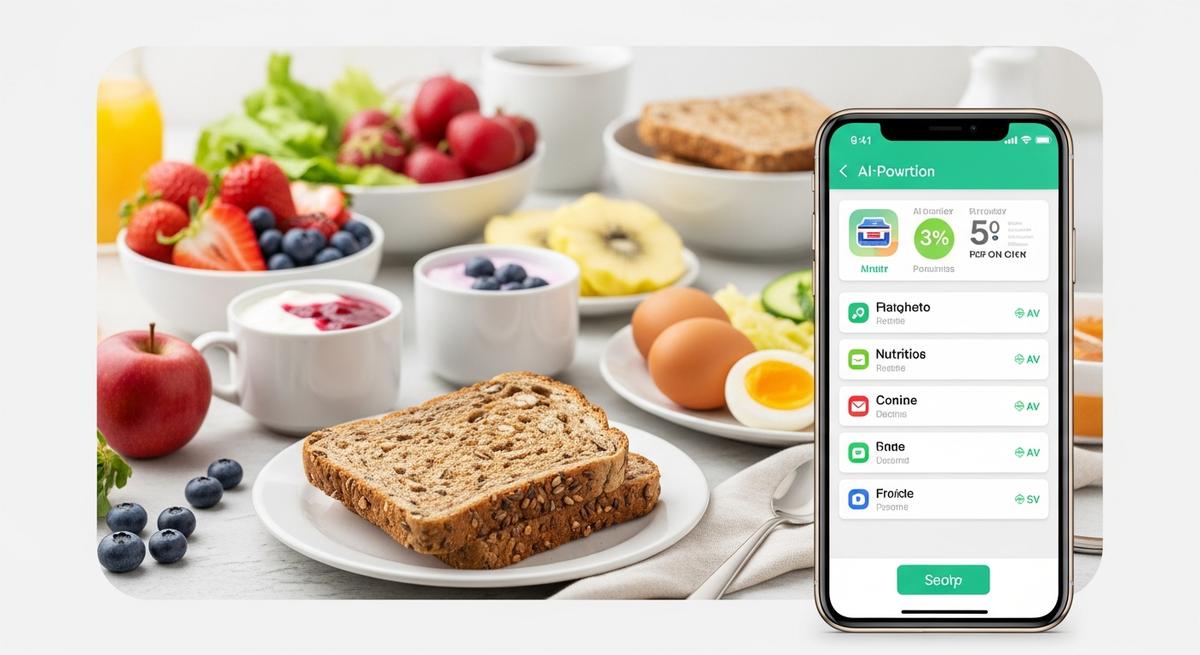
Enter AI breakfast planning—a revolutionary approach to simplifying and personalizing your morning routine. Thanks to advances in nutrition technology, artificial intelligence can now analyze your dietary preferences, health goals, and even your pantry contents to suggest breakfast options that are both delicious and nutritious. Whether you’re looking to manage your weight, boost your energy, or simply save time, AI-powered tools are making it easier than ever to plan meals that fit your lifestyle. From generating tailored recipes to creating smart grocery lists, these platforms take the guesswork out of breakfast planning and help you make better choices with minimal effort.
With AI, you’re not just choosing what to eat—you’re building a healthier, more sustainable morning routine that supports your long-term goals.
As we explore the ways AI can transform your breakfast habits, you’ll discover how technology is not only simplifying meal prep but also empowering you to take control of your nutrition. Whether you’re a busy parent, a health enthusiast, or someone simply looking to start the day right, AI breakfast planning offers a practical solution for making smarter, more personalized choices every morning.
Main Content
Artificial intelligence (AI) is transforming the way we approach breakfast planning, making it easier than ever to start the day with meals that are both delicious and nutritionally balanced. An AI meal planner leverages advanced algorithms to analyze your unique dietary needs, preferences, and health goals, delivering tailored breakfast suggestions that fit seamlessly into your lifestyle.
How AI Meal Planners Work
AI meal planning technology uses data-driven insights to generate personalized breakfast ideas. By inputting information such as dietary restrictions (like gluten-free, dairy-free, or vegan), health objectives (such as weight loss or muscle gain), and taste preferences, the system can instantly create a menu that aligns with your needs. These tools often integrate with nutrition databases and real-time tracking apps, allowing for dynamic updates based on your daily habits and feedback.
Personalization for Optimal Nutrition
One of the standout features of an AI meal planner is its ability to adapt to your individual requirements. Whether you’re managing a chronic condition, following a specific diet, or simply looking to boost your energy, AI can recommend breakfast options that support your goals. For example, if you need more protein in the morning, the system might suggest Greek yogurt with nuts and berries. If you’re watching your sugar intake, it could offer a savory oatmeal bowl with vegetables and eggs. This level of personalized nutrition ensures that every breakfast is not only enjoyable but also contributes to your overall well-being.
Real-Time Breakfast Nutrition Tracking
Modern AI meal planners go beyond just suggesting recipes—they also provide real-time breakfast nutrition tracking. As you log your meals, the system analyzes macronutrients (carbohydrates, proteins, fats), micronutrients (vitamins and minerals), and portion sizes, helping you stay on track with your daily targets. Some platforms even adjust recommendations based on your activity levels or the time of day, ensuring that your breakfast fuels your body optimally for whatever lies ahead.
AI meal planners can identify and address nutritional gaps you might not notice, such as a recurring deficiency in iron or magnesium, and suggest strategic ingredient swaps to keep your diet balanced and varied.
Integration with Lifestyle and Schedule
AI meal planners are designed to fit into your daily routine, whether you’re a busy professional, a parent juggling multiple schedules, or someone who values convenience. These tools can optimize meal timing based on your natural body clock, recommend quick-prep options for hectic mornings, and even generate shopping lists to streamline your grocery runs. By aligning breakfast choices with your lifestyle, AI helps you build consistent, healthy habits that last.
With the power of AI, making better breakfast choices is no longer a challenge—it’s a seamless part of your day.
Examples and Use Cases
Case Study: Busy Parent Using AI for Family Breakfasts
For busy parents juggling work, school runs, and household chores, mornings can be hectic, making it challenging to prepare nutritious breakfasts. AI-powered meal planning apps like Mealime and Ollie offer tailored solutions by generating AI breakfast examples that are quick, healthy, and kid-friendly. These platforms learn family preferences and dietary needs, then suggest weekly breakfast menus complete with grocery lists that save time and reduce stress.
For instance, a parent can input available ingredients and receive recipe ideas such as whole-grain pancakes with fresh fruit or egg muffins packed with vegetables, all designed to be ready in under 20 minutes. This approach not only streamlines morning routines but also ensures the family enjoys balanced meals without compromising on taste or nutrition.
Example: Professional with Dietary Restrictions
Professionals with specific dietary restrictions—such as gluten intolerance, nut allergies, or lactose sensitivity—often struggle to find suitable breakfast options that fit their health requirements and busy schedules. AI meal planners excel in this area by customizing recipes that safely accommodate such restrictions.
Using apps like AI Meal Planner or Notion AI Meal Planner, users can specify their allergies and dietary preferences to receive personalized breakfast ideas such as gluten-free avocado toast or dairy-free chia pudding. These AI tools also suggest ingredient substitutions and create shopping lists that avoid allergens, minimizing risk and enhancing convenience.
Scenario: Student Seeking Quick, Healthy Options
Students balancing studies, part-time jobs, and social lives need quick healthy breakfast solutions that fuel their day without lengthy preparation. AI can generate simple, nutritious recipes based on what’s on hand, such as overnight oats, smoothie bowls, or energy-packed breakfast wraps.
By entering available ingredients into an AI-powered app, students receive tailored suggestions that maximize nutrition while fitting tight time constraints. Additionally, AI can help optimize budgets by recommending affordable, pantry-friendly meals, helping students maintain healthy eating habits despite limited resources.
Use of AI for Special Diets: Keto, Vegan, Gluten-Free
Specialized diets like keto, vegan, and gluten-free require careful meal planning to meet nutritional goals while avoiding forbidden foods. AI meal planning tools are particularly effective here, as they can generate breakfast menus that align perfectly with these diets.
- Keto: AI suggests high-fat, low-carb breakfasts such as avocado and bacon egg cups or coconut flour pancakes, ensuring users stay in ketosis.
- Vegan: AI offers plant-based options like tofu scrambles, vegan smoothies, or chia seed puddings rich in protein and fiber.
- Gluten-Free: AI recommends gluten-free oats, fruit parfaits, or quinoa porridge that cater to gluten sensitivities without sacrificing flavor or variety.
These AI-generated plans not only provide diverse and delicious breakfast ideas but also include smart grocery lists and ingredient substitutions, addressing real-life challenges such as limited ingredient availability and time constraints.
Advanced Concepts and Deep Dive
Machine Learning Algorithms in Nutrition Planning
At the heart of AI-driven breakfast recommendation systems are sophisticated machine learning nutrition algorithms. These models analyze a wide range of user-specific data—such as age, gender, activity level, dietary restrictions, and health goals—to generate tailored breakfast suggestions. Common approaches include collaborative filtering, which identifies patterns in user preferences, and deep generative networks, which can create new meal combinations that align with nutritional guidelines. For example, systems like CFRL (Collaborative Filtering with Reinforcement Learning) use Q-learning and deep neural networks to dynamically adapt recommendations based on user feedback, ensuring that breakfast choices evolve to match changing habits and preferences.
Data Sources: How AI Learns from User Behavior and Food Databases
AI systems draw from two primary sources: extensive food databases and real-time user behavior. Food databases contain nutritional information for thousands of ingredients and dishes, often sourced from scientific research and public health organizations. Meanwhile, user behavior data—such as meal selections, feedback, and adherence patterns—helps the system refine its recommendations. By continuously learning from this data, AI can predict which breakfast options are most likely to be accepted and beneficial for each individual. This process is further enhanced by predictive analytics, which anticipates future nutritional needs based on trends in user data, such as increased activity or seasonal changes in diet.
Advanced Features: Predictive Analytics, Adaptive Learning, and Feedback Loops
Modern AI nutrition platforms incorporate advanced features that go beyond simple meal suggestions. Predictive analytics enable the system to forecast nutritional gaps and recommend breakfasts that proactively address them. Adaptive learning ensures that recommendations improve over time, as the AI learns from each user’s choices and feedback. Feedback loops allow users to rate meals, report satisfaction, and provide additional context, which the system uses to fine-tune future suggestions. This iterative process creates a highly personalized experience, where breakfast recommendations become increasingly aligned with individual health goals and preferences.
“The integration of predictive analytics and adaptive learning transforms AI nutrition systems from static tools into dynamic partners in health management.”
Limitations and Ethical Considerations
While AI offers powerful capabilities for personalized nutrition, it is not without AI limitations. These include potential biases in training data, challenges in interpreting complex user preferences, and the risk of over-reliance on technology. Ethical considerations such as data privacy and security are also paramount. Users must trust that their personal information is handled responsibly and that recommendations are transparent and explainable. Ensuring transparency in how AI arrives at its suggestions helps build user confidence and promotes informed decision-making.
- Machine learning nutrition algorithms personalize breakfast choices based on user data.
- Predictive analytics anticipate nutritional needs and adapt recommendations over time.
- Feedback loops and adaptive learning enhance the accuracy and relevance of suggestions.
- AI limitations and ethical concerns must be addressed to ensure trustworthy and effective nutrition guidance.
Implementation Guide and Best Practices
Choosing the Right AI Meal Planning Tool
To start leveraging AI for better breakfast choices, selecting the appropriate AI meal planning tool is crucial. Consider tools that specialize in personalized nutrition and offer features tailored to your lifestyle. Popular options include Mealime, NutriGenie AI, and Meal Flow AI, each providing unique benefits such as syncing with fitness devices, accommodating dietary restrictions, and generating grocery lists automatically. Prioritize tools that allow easy input of your dietary preferences and provide flexible meal customization to ensure your breakfast plans align with your health goals and taste preferences.
Setting Up Your Profile and Preferences
Once you have chosen your AI tool, the next step is to create a detailed profile. Accurately input your dietary needs, allergies, fitness goals, and food preferences to enable the AI to generate personalized breakfast options. Many AI meal planners ask for specifics such as calorie targets, macronutrient ratios, and disliked ingredients. Regularly updating these preferences is a best practice to keep your meal plans relevant as your goals or tastes evolve. Additionally, providing information on your typical schedule and cooking skills can help the AI tailor breakfast suggestions that fit your daily routine.
Generating and Customizing Breakfast Plans
With your profile set, use the AI to generate breakfast plans that suit your nutritional requirements and lifestyle. Most tools offer a variety of recipes with step-by-step instructions and can adjust plans based on your feedback. Take advantage of features like recipe swaps and portion adjustments to customize meals further. For example, if you prefer a higher protein breakfast or want to reduce sugar intake, you can modify the AI’s suggestions accordingly. Incorporate seasonal ingredients or family favorites to make your breakfast both healthy and enjoyable.
Tips for Maximizing AI Recommendations
To get the most out of your AI meal planning experience, follow these actionable tips:
- Regularly update your preferences: As your dietary needs or goals change, keep your profile current to maintain accurate recommendations.
- Cross-check AI suggestions: Validate meal plans with trusted nutrition sources or consult a dietitian to ensure they meet your health requirements.
- Use grocery list integration: Many AI tools generate automated shopping lists—use these to streamline grocery shopping and reduce food waste.
- Experiment with customization: Don’t hesitate to tweak recipes or substitute ingredients to better suit your taste and nutritional targets.
- Leverage AI insights: Some apps provide nutrition summaries and progress tracking—use these insights to refine your breakfast habits over time.
Implementing these best practices ensures your AI-powered breakfast planning is both effective and sustainable, helping you make smarter, healthier choices every morning.
Comparison and Analysis
AI vs Manual Planning: A Side-by-Side Look
When it comes to breakfast planning, the choice between AI-powered tools and traditional manual methods can significantly impact your daily routine and nutritional outcomes. AI vs manual planning is more than just a matter of convenience—it’s about how efficiently and effectively you can meet your health goals. Traditional planning often involves researching recipes, calculating nutritional values, and manually creating grocery lists, which can take hours each week. In contrast, AI meal planners automate these tasks, delivering personalized breakfast suggestions in minutes. Studies show that AI systems can reduce planning time by up to 95%, freeing up valuable time for busy professionals and parents alike.
Pros and Cons of AI Meal Planning
The advantages of AI-powered breakfast planning are clear. First, convenience is unmatched—AI tools can generate meal plans tailored to your dietary needs, allergies, and preferences with minimal input. Second, personalization ensures that your breakfast choices are not only healthy but also enjoyable, increasing the likelihood of sticking to your nutrition goals. Third, time savings are substantial, allowing you to focus on other priorities. Many platforms also offer features like smart substitutions, inventory integration, and predictive grocery lists, further streamlining the process.
However, there are some drawbacks to consider. Subscription costs for premium AI meal planning apps can add up, especially for families or those on a tight budget. There’s also a learning curve involved in setting up preferences and understanding how to get the most out of the technology. Additionally, some users may feel that relying too heavily on AI could reduce culinary creativity or lead to a sense of over-reliance on technology for everyday decisions.
Alternative Solutions and Hybrid Nutrition Approaches
For those who want the best of both worlds, hybrid nutrition solutions offer a balanced approach. You might use an AI app to generate initial breakfast ideas and grocery lists, then consult with a dietitian or nutritionist for expert guidance on optimizing your plan. This combination leverages the efficiency of technology while retaining the human touch that can address nuanced health concerns or lifestyle factors. Other alternatives include using free meal planning apps, joining online nutrition communities, or following curated meal plans from reputable sources. Each option has its own set of meal planning pros and cons, so it’s important to choose the approach that best fits your needs and goals.
AI-powered breakfast planning is a game-changer for health-conscious individuals, but it’s not a one-size-fits-all solution. By understanding the trade-offs and exploring hybrid approaches, you can make smarter, more personalized breakfast choices that support your overall well-being.
Conclusion and Key Takeaways
Summary of AI Breakfast Benefits
Artificial intelligence is revolutionizing the way we approach breakfast planning, making it easier than ever to build healthy habits that fit our unique lifestyles. By leveraging AI-powered tools, individuals can enjoy a range of AI breakfast benefits, from personalized meal suggestions to real-time adaptability based on dietary preferences, health goals, and even what’s currently in the fridge. These tools not only save time and reduce decision fatigue but also help ensure that breakfast choices are nutritionally balanced, tailored to individual needs, and aligned with long-term wellness objectives.
Whether you’re a busy professional, a parent juggling family schedules, or someone simply looking to eat healthier, AI meal planners can streamline the process of selecting and preparing breakfast. From generating creative recipe ideas to tracking nutrient intake and minimizing food waste, AI makes it possible to start the day with meals that are both delicious and nourishing.
Integrating AI into Your Daily Routine
Adopting AI for breakfast planning doesn’t mean replacing your own preferences or intuition—it means enhancing them. By providing clear input about your dietary needs, taste preferences, and schedule, you empower AI tools to deliver recommendations that are truly personalized. Over time, these systems learn from your feedback, making suggestions even more relevant and enjoyable. The result is a seamless integration of technology into your daily routine, supporting healthy habits without adding extra stress or complexity.
AI doesn’t just make breakfast planning easier—it makes it smarter, more flexible, and more aligned with your personal wellness journey.
Next Steps: Start Your AI Breakfast Journey
Ready to experience the AI breakfast benefits for yourself? Begin by exploring popular AI meal planning tools and apps that offer breakfast-specific features. Try inputting your dietary preferences, health goals, and ingredient inventory to see how AI can generate tailored breakfast ideas. Don’t hesitate to experiment with different prompts and settings to find what works best for you.
- Search for AI-powered meal planners that specialize in breakfast or offer customizable options.
- Upload photos of your pantry or fridge to get real-time recipe suggestions.
- Track your nutrient intake and adjust your plan as your goals evolve.
- Share your experience with friends or family to inspire healthier breakfast habits together.
By taking these steps, you’ll not only simplify your morning routine but also lay the foundation for lasting healthy habits that support your overall well-being. Embrace the power of AI and start your journey toward better breakfast choices today.


Comments (0)
Please login or register to leave a comment.
No comments yet. Be the first to comment!