
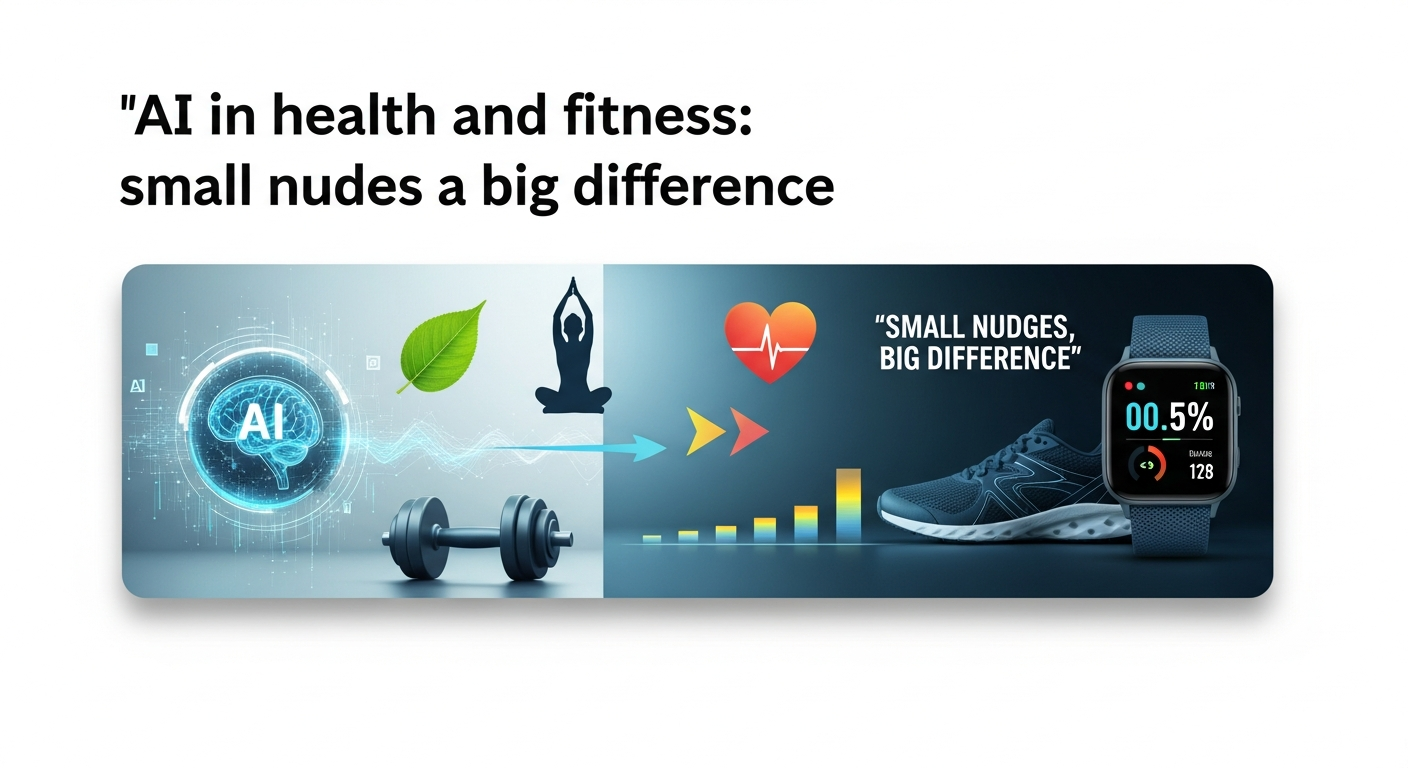
AI in health and fitness: small nudges that make a big difference
- November 20, 2025
- ~ 1 min read
- 149 views
- AI & Healthcare
Introduction to AI in Health and Fitness
The integration of Artificial Intelligence (AI) in health and fitness has revolutionized the way we approach wellness. A striking example of this is the use of AI-powered wearable devices, which have been shown to increase the effectiveness of fitness programs by up to 30%. This significant impact is just the beginning, as AI in health continues to evolve and improve. But what exactly is AI, and how is it being used in the wellness industry? In this article, we will delve into the world of fitness technology and explore the innovative ways in which AI is being used to enhance our health and wellbeing.
Defining AI and its Relevance to Wellness
At its core, AI refers to the development of computer systems that can perform tasks that would typically require human intelligence, such as learning, problem-solving, and decision-making. In the context of health and fitness, AI is being used to analyze vast amounts of data, provide personalized recommendations, and optimize workout routines. This intersection of technology and wellness has given rise to a new era of wellness innovation, where individuals can take a more proactive and informed approach to their health.
The Importance of Technology in Modern Wellness Practices
Technology has become an integral part of modern wellness practices, enabling individuals to track their progress, set goals, and connect with like-minded communities. The use of fitness technology has also enabled healthcare professionals to provide more effective and personalized care, leading to better outcomes and improved patient satisfaction. As we move forward, it is likely that AI-powered solutions will play an increasingly important role in shaping the future of health and fitness.
Preview of Article Content and Key Takeaways
In this article, we will explore the various ways in which AI is being used in health and fitness, from AI-powered fitness trackers to personalized nutrition planning. We will also examine the benefits and challenges of implementing AI in wellness practices, and provide insights into the future of AI in health. Some of the key topics that will be covered include:
- The use of machine learning in fitness tracking and analysis
- The role of AI in personalized nutrition and meal planning
- The impact of AI on mental health and wellbeing
- The future of AI in health and fitness, including emerging trends and technologies
How AI is Revolutionizing Health and Fitness
The integration of Artificial Intelligence (AI) in health and fitness is transforming the way we approach wellness. By leveraging AI fitness technologies, individuals can now receive personalized guidance, real-time monitoring, and data-driven insights to optimize their health and fitness journeys. In this section, we will delve into the specifics of how AI is being used in health and fitness, exploring its applications, benefits, and potential.
Personalized Fitness Plans and Workout Recommendations
One of the most significant advantages of AI in health and fitness is its ability to create personalized wellness plans tailored to an individual's specific needs, goals, and preferences. By analyzing data from wearables, fitness trackers, and other sources, AI algorithms can identify patterns, strengths, and weaknesses, providing customized workout recommendations to help users achieve their objectives. For instance, an AI-powered fitness app might suggest a high-intensity interval training (HIIT) regimen for a user looking to improve cardiovascular endurance, while recommending low-impact yoga for someone recovering from an injury.
These personalized plans can be adjusted and refined over time, as the AI system continues to learn and adapt to the user's progress, preferences, and lifestyle. This level of customization can lead to improved outcomes, increased motivation, and enhanced user experience, making it more likely for individuals to stick to their fitness goals.
AI-Powered Health Monitoring and Diagnostics
Health monitoring is another area where AI is making a significant impact. By analyzing data from various sources, including electronic health records, medical imaging, and wearable devices, AI algorithms can identify potential health risks, detect early warning signs of diseases, and provide timely interventions. For example, an AI-powered system might analyze a user's heart rate variability data to detect early signs of cardiovascular disease, enabling early intervention and prevention.
AI-powered diagnostics can also help healthcare professionals make more accurate diagnoses, reducing the likelihood of misdiagnosis and improving patient outcomes. By analyzing large datasets and identifying patterns, AI algorithms can help doctors identify the most effective treatment options, leading to better health outcomes and improved quality of life.
Virtual Fitness Coaching and Nutrition Planning
In addition to personalized fitness plans and health monitoring, AI is also being used to provide virtual fitness coaching and nutrition planning. AI-powered virtual coaches can offer real-time guidance, feedback, and support, helping users stay motivated and accountable throughout their fitness journey. These virtual coaches can also provide personalized nutrition advice, recommending meal plans and recipes tailored to an individual's specific dietary needs and preferences.
For instance, an AI-powered nutrition planning app might suggest a meal plan that takes into account a user's dietary restrictions, preferences, and lifestyle, providing recipes and grocery lists to make healthy eating easier and more convenient. By leveraging AI in these areas, individuals can receive the guidance and support they need to achieve their health and fitness goals, leading to improved overall wellness and quality of life.
- Personalized fitness plans and workout recommendations
- AI-powered health monitoring and diagnostics
- Virtual fitness coaching and nutrition planning
- Improved outcomes and increased efficiency
As we can see, the applications of AI in health and fitness are vast and varied, offering numerous benefits and opportunities for individuals, healthcare professionals, and the wellness industry as a whole. By embracing AI fitness technologies, we can revolutionize the way we approach health and wellness, leading to improved outcomes, increased efficiency, and enhanced user experience.
The future of health and fitness is undoubtedly linked to the development and integration of AI technologies, and it's exciting to think about the potential benefits and innovations that await us in this rapidly evolving field.
Real-World Examples of AI in Health and Fitness
The integration of Artificial Intelligence (AI) in health and fitness has led to the development of innovative solutions that are transforming the way we approach wellness. From AI fitness apps to health wearables, there are numerous examples of how AI is making a positive impact on people's lives. In this section, we will explore some real-world examples of AI in health and fitness, highlighting the successes and challenges of these applications.
Case Studies of AI-Powered Fitness Apps and Platforms
One notable example of an AI fitness app is Fitstar, which uses AI to create personalized fitness plans based on an individual's goals, fitness level, and preferences. The app provides customized workouts, complete with video tutorials and real-time feedback, to help users achieve their fitness goals. Another example is JEFIT, a fitness app that uses AI to generate workout plans and track progress over time. These apps demonstrate how AI can be used to provide personalized fitness coaching, making it more accessible and effective for people to achieve their fitness goals.
Other examples of AI-powered fitness platforms include virtual fitness coaches, such as virtual running coaches that provide personalized training plans and real-time feedback to help runners improve their performance. These platforms use AI to analyze data from wearables and other sources, providing insights and recommendations to help users optimize their workouts and achieve their goals.
Examples of AI-Driven Health Monitoring Devices and Wearables
Health wearables are another area where AI is making a significant impact. Devices such as smartwatches and fitness trackers use AI to monitor vital signs, track sleep patterns, and detect early warning signs of health problems. For example, the Apple Watch uses AI to detect irregular heart rhythms and alert users to potential health issues. Similarly, fitness trackers like Fitbit use AI to track sleep patterns and provide personalized recommendations for improving sleep quality.
These devices demonstrate how AI can be used to provide real-time monitoring and feedback, enabling individuals to take proactive steps to manage their health and prevent potential problems. By analyzing data from these devices, healthcare professionals can also gain valuable insights into patient behavior and health outcomes, enabling more effective treatment and prevention strategies.
Stories of Individuals Who Have Benefited from AI in Their Wellness Journey
There are many stories of individuals who have benefited from AI in their wellness journey. For example, a person who used an AI fitness app to lose weight and improve their overall health, or an athlete who used health wearables to optimize their training and improve their performance. These stories highlight the potential of AI to make a positive impact on people's lives, and demonstrate the importance of personalized approaches to health and fitness.
According to a
study by the National Institutes of Health, the use of AI-powered fitness apps and wearables can lead to significant improvements in physical activity and weight loss. The study found that participants who used these devices were more likely to achieve their fitness goals and maintain healthy behaviors over time.
In conclusion, the examples highlighted in this section demonstrate the potential of AI to make a positive impact on health and fitness. By providing personalized coaching, real-time monitoring, and feedback, AI fitness apps and health wearables can help individuals achieve their wellness goals and improve their overall health. As the field of AI in health and fitness continues to evolve, we can expect to see even more innovative solutions and success stories in the future.
Advanced AI Concepts in Health and Fitness
The integration of Artificial Intelligence (AI) in health and fitness has led to the development of innovative applications that are transforming the way we approach wellness. At the forefront of this revolution are advanced AI concepts, including machine learning algorithms, Natural Language Processing (NLP), and computer vision. These technologies are being leveraged to create personalized fitness plans, virtual coaching, and advanced fitness tracking systems.
Machine Learning Algorithms in Fitness and Health Applications
Machine learning in fitness involves the use of algorithms that can learn from data and improve their performance over time. These algorithms are being used to analyze data from wearable devices, such as heart rate monitors and fitness trackers, to provide personalized recommendations for exercise and nutrition. For example, a machine learning algorithm can analyze a user's workout data and provide suggestions for improving their performance, such as adjusting their pace or incorporating new exercises into their routine. Some of the key applications of machine learning in fitness include:
- Predictive modeling: Using historical data to predict a user's future performance and provide personalized recommendations.
- Clustering analysis: Grouping users with similar characteristics, such as fitness level or goals, to provide targeted coaching and support.
- Regression analysis: Analyzing the relationship between different variables, such as exercise and nutrition, to provide insights into their impact on overall health and fitness.
Natural Language Processing in Virtual Coaching and Support
NLP in health is being used to develop virtual coaching and support systems that can provide personalized guidance and motivation to users. These systems use natural language processing to analyze user input, such as voice or text, and provide responses that are tailored to their needs and goals. For example, a virtual coach can use NLP to analyze a user's progress and provide encouragement and support when they are struggling to stay motivated. Some of the key applications of NLP in health and fitness include:
- Chatbots: Using NLP to develop chatbots that can provide personalized coaching and support to users.
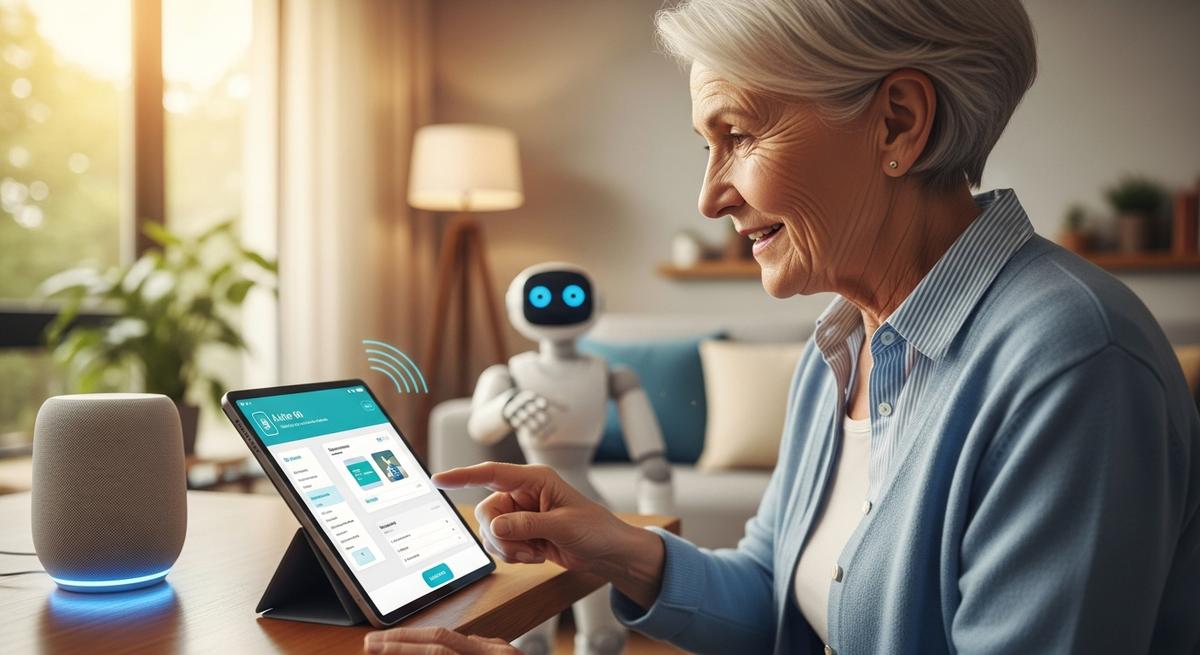
- Voice assistants: Integrating NLP into voice assistants, such as Alexa or Google Assistant, to provide users with personalized fitness and health advice.
- Sentiment analysis: Using NLP to analyze user feedback and sentiment, and provide insights into their emotional state and well-being.
Computer Vision in Fitness Tracking and Analysis
Computer vision in wellness is being used to develop advanced fitness tracking and analysis systems that can provide detailed insights into user performance and progress. These systems use computer vision to analyze data from cameras and other sensors, such as depth sensors and accelerometers, to track user movement and provide feedback on their form and technique. For example, a computer vision system can be used to analyze a user's running form and provide suggestions for improving their efficiency and reducing their risk of injury. Some of the key applications of computer vision in fitness include:
Computer vision has the potential to revolutionize the way we approach fitness tracking and analysis, providing detailed insights into user performance and progress that were previously impossible to obtain.
In addition to these advanced AI concepts, there are also several edge cases and challenges that must be considered when developing AI-powered health and fitness applications. These include issues related to data privacy and security, as well as the need for transparency and explainability in AI decision-making. Despite these challenges, the future of AI in health and fitness looks bright, with emerging trends such as augmented reality and the Internet of Things (IoT) expected to play a major role in shaping the industry in the years to come.
Implementing AI in Your Health and Fitness Routine
As we delve into the world of AI fitness apps and devices, it's essential to understand how to effectively integrate these tools into your daily routine. In this section, we'll provide a step-by-step guide on choosing the right AI-powered tools, setting up health monitoring devices, and maximizing the benefits of AI nutrition planning for a holistic approach to wellness.
Choosing the Right AI Fitness App or Platform
With numerous AI fitness apps available, selecting the right one can be overwhelming. To start, identify your specific fitness goals, such as weight loss, muscle gain, or improved cardiovascular health. Look for apps that offer personalized workout plans, real-time tracking, and expert guidance from certified trainers. Some popular options include apps that utilize AI-powered chatbots to provide customized advice and support. When choosing an app, consider the following factors:
- User reviews and ratings
- Comprehensive workout libraries
- Integration with wearable devices
- Customizable plans and goals
Setting Up and Using AI-Powered Health Monitoring Devices
Health monitoring devices have become increasingly sophisticated, offering advanced features like heart rate monitoring, sleep tracking, and stress detection. To get the most out of these devices, follow these steps:
- Choose a device that aligns with your fitness goals and budget
- Download the accompanying app and create an account
- Follow the manufacturer's instructions for setup and calibration
- Wear the device consistently to track progress and receive insights
Integrating AI-Driven Nutrition Planning into Your Diet
AI nutrition planning can help you develop a balanced and personalized diet. To integrate AI-driven nutrition planning into your routine, consider the following tips:
Start by tracking your daily food intake using a AI-powered nutrition app. These apps can analyze your eating habits, identify areas for improvement, and provide tailored recommendations for optimization. You can also use AI-driven meal planning tools to generate healthy and delicious recipes based on your dietary preferences and restrictions.
As you embark on your wellness journey, remember to set clear goals, track progress, and remain consistent. By leveraging the power of AI fitness apps, health monitoring devices, and AI nutrition planning, you can experience significant improvements in your overall health and fitness. Always consult with a healthcare professional before starting any new diet or exercise program.
By incorporating AI into your health and fitness routine, you can unlock a more personalized, efficient, and effective approach to wellness. With the right tools and mindset, you can achieve your goals and maintain a healthy, balanced lifestyle.
Comparing AI Solutions for Health and Fitness
The realm of AI fitness comparison is vast and diverse, with numerous apps, platforms, and devices vying for attention. When it comes to selecting the most suitable AI-powered tool or service, it's essential to weigh the pros and cons of each option. In this section, we'll delve into a comprehensive analysis of popular AI fitness apps and platforms, health monitoring devices review, and the debate surrounding virtual coaching pros and cons.
AI Fitness Apps and Platforms: A Comparative Analysis
A plethora of AI-powered fitness apps and platforms are available, each with its unique features and benefits. Some popular options include MyFitnessPal, Fitbit Coach, and JEFIT. These apps offer personalized workout plans, nutrition advice, and progress tracking, making it easier for users to achieve their fitness goals. However, it's crucial to consider factors such as cost, accessibility, and user experience when choosing an app or platform. For instance, MyFitnessPal offers a free version with limited features, while Fitbit Coach requires a subscription. Ultimately, the best app or platform depends on individual preferences and needs.
When comparing AI fitness apps and platforms, it's essential to look beyond the surface-level features. Consider the following factors:
- Personalization: Does the app offer tailored workout plans and nutrition advice based on user input and progress?
- Community support: Are there online forums, social media groups, or in-app communities where users can connect and share their experiences?
- Integration: Does the app integrate with other health and fitness devices, such as wearables or smart scales?
Health Monitoring Devices: A Review of AI-Powered Options
Health monitoring devices review reveals a range of AI-powered options, from smartwatches and fitness trackers to smart scales and blood pressure monitors. These devices use AI algorithms to track vital signs, detect anomalies, and provide personalized recommendations. For example, the Apple Watch Series 7 uses AI-powered electrocardiogram (ECG) technology to detect irregular heart rhythms. Similarly, the Withings Body+ smart scale uses AI-driven analytics to track weight, body fat, and muscle mass.
When selecting a health monitoring device, consider the following factors:
- Accuracy: Does the device provide accurate readings and measurements?
- Ease of use: Is the device user-friendly, with an intuitive interface and clear instructions?
- Integration: Does the device integrate with other health and fitness apps or platforms?
Virtual vs. Human Coaching: Weighing the Pros and Cons
The debate surrounding virtual coaching pros and cons is ongoing, with some arguing that human coaching is more effective, while others prefer the convenience and affordability of virtual coaching. Ultimately, the choice between virtual and human coaching depends on individual preferences and needs. Virtual coaching offers personalized guidance, flexibility, and cost-effectiveness, while human coaching provides emotional support, accountability, and hands-on guidance. Consider the following pros and cons of virtual coaching:
- Pros: convenience, affordability, personalized guidance
- Cons: lack of human interaction, limited accountability
- Pros: emotional support, accountability, hands-on guidance
- Cons: higher cost, limited availability, potential for bias
When it comes to AI-powered health and fitness solutions, there is no one-size-fits-all approach. By considering factors such as cost, accessibility, and user experience, individuals can choose the most suitable tool or service for their unique needs and preferences.
In conclusion, comparing AI solutions for health and fitness requires a comprehensive analysis of various factors, including AI fitness comparison, health monitoring devices review, and virtual coaching pros and cons. By evaluating these factors and considering individual needs and preferences, users can make informed decisions and choose the most effective AI-powered tool or service for achieving their health and fitness goals.
Conclusion and Future Outlook
In conclusion, the integration of AI in health and fitness has the potential to revolutionize the way we approach wellness. Throughout this article, we have explored the various ways in which AI is being used to enhance our health and fitness journeys, from personalized workout plans to predictive analytics for disease prevention. The key takeaways from our discussion include the importance of emerging trends in AI-powered fitness solutions, the role of machine learning in improving health outcomes, and the need for individuals to be open to the possibilities of AI in their wellness journey.
Reflection on the Current State and Future Potential
As we reflect on the current state of AI in health and fitness, it is clear that we are on the cusp of a significant shift in the way we approach wellness. With the increasing availability of health monitoring devices and AI-powered fitness apps, individuals have more tools than ever before to take control of their health and fitness. However, there is still much work to be done to fully realize the potential of AI in this field. As we look to the future, it is likely that we will see even more innovative applications of AI in health and fitness, from virtual coaching to personalized nutrition planning.
Call to Action
So, what can you do to start exploring the potential of AI in health and fitness for yourself? Here are a few next steps to consider:
- Try out an AI-powered fitness app to see how it can help you achieve your fitness goals
- Invest in a health monitoring device to track your progress and stay motivated
- Be open to the possibilities of emerging trends in AI-powered health and fitness solutions, and be willing to try new things
The future of wellness is likely to be shaped by the intersection of AI, data analytics, and human insight. By embracing this future, we can create a world where everyone has the opportunity to achieve their full potential, and live a long, healthy, and happy life.
In final thoughts, the potential of AI in health and fitness is vast and exciting. As we move forward, it is essential to prioritize innovation, collaboration, and inclusivity in the development and implementation of AI-powered health and fitness solutions. By working together, we can create a brighter, healthier future for all, and make the most of the future of wellness.
Comments (0)
Please login or register to leave a comment.
No comments yet. Be the first to comment!