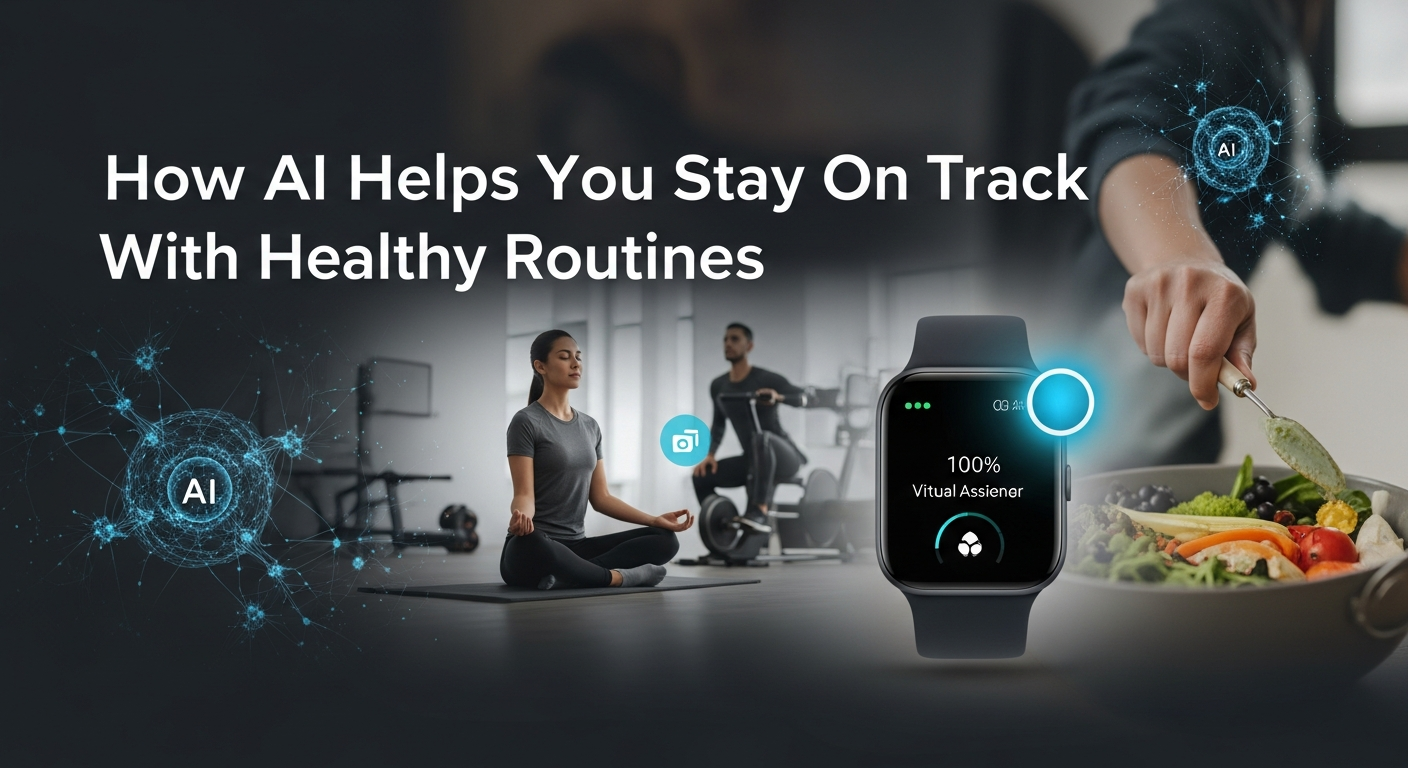
How AI Helps You Stay On Track With Healthy Routines
- November 21, 2025
- ~ 1 min read
- 120 views
- AI & Healthcare , Lifestyle & AI , GenAI
Introduction to AI-Powered Healthy Routines
Maintaining healthy routines is a constant struggle for many of us. We start with the best of intentions, determined to stick to our fitness goals and make positive changes to our lifestyle. However, as time goes on, it's easy to fall back into old habits and let our wellness goals slip away. Whether it's a busy schedule, lack of motivation, or simply not knowing where to start, the challenges of sticking to a healthy routine can be overwhelming.
The Importance of Healthy Routines
Despite the challenges, maintaining healthy routines is crucial for both our physical and mental health. Regular exercise, balanced eating, and sufficient sleep are just a few examples of habits that can have a significant impact on our overall wellness. By prioritizing our health and making healthy choices, we can reduce the risk of chronic diseases, boost our energy levels, and improve our mental clarity. However, sticking to these habits can be tough, and that's where AI comes in – as a game-changer in the world of personal health management.
The Challenges of Sticking to Health and Fitness Goals
So, what are the common obstacles that prevent us from achieving our fitness goals? For many of us, it's a lack of time or motivation. We might start a new exercise routine or diet, only to find that we can't sustain it in the long term. Life gets in the way, and before we know it, we've fallen back into our old habits. Other challenges might include a lack of knowledge about healthy eating or exercise, or simply not knowing how to track our progress and stay accountable.
The Emerging Role of AI in Personal Health Management
This is where AI can help. By leveraging the power of artificial intelligence, we can overcome common obstacles and achieve our wellness goals. AI can help us track our progress, provide personalized recommendations, and even offer real-time feedback and support. With AI-powered healthy routines, we can take the guesswork out of maintaining a healthy lifestyle and focus on making positive changes that last. As we'll explore in this article, AI is revolutionizing the way we approach personal health management, and it's an exciting time for health-conscious individuals and fitness enthusiasts alike.
In the following sections, we'll delve deeper into the world of AI-powered healthy routines and explore the many ways in which AI can support our wellness goals. From personalized fitness plans to smart nutrition advice, we'll examine the latest innovations and trends in AI health management. Whether you're just starting out on your health journey or looking to take your fitness goals to the next level, this article will provide you with the insights and inspiration you need to succeed.
How AI Supports Healthy Routines
The integration of Artificial Intelligence (AI) in health and fitness has revolutionized the way individuals approach their daily routines. By leveraging machine learning algorithms, natural language processing, and personalization, AI-powered systems can provide tailored guidance, track progress, and predict outcomes. This section delves into the technical aspects of how AI contributes to healthy routines, focusing on personalization, predictive analytics, and interactive coaching.
AI-Powered Personalization for Health and Fitness Plans
A key aspect of maintaining a healthy routine is having a plan that is tailored to an individual's specific needs and goals. AI can analyze vast amounts of data, including a person's medical history, fitness level, and lifestyle, to create a personalized plan. For instance, a fitness app can use machine learning to analyze a user's workout habits and provide recommendations for exercises that are likely to be effective for them. This level of personalization can help individuals stay motivated and engaged in their fitness journey.
Moreover, AI-powered personalization can also help individuals set realistic goals and track their progress. By analyzing data from various sources, including wearable devices and mobile apps, AI can provide insights into a person's daily habits and suggest adjustments to help them stay on track. For example, a health app can use natural language processing to analyze a user's food diary and provide personalized nutrition recommendations.
Machine Learning Algorithms for Tracking Progress and Predicting Outcomes
Machine learning algorithms play a crucial role in tracking progress and predicting outcomes in health and fitness. By analyzing large datasets, these algorithms can identify patterns and trends that may not be apparent to humans. For instance, a study published in the Journal of Medical Systems used machine learning to predict the likelihood of patients developing chronic diseases based on their lifestyle and medical history. The results showed that the algorithm was able to accurately predict outcomes in a significant proportion of cases.
Furthermore, machine learning can also be used to track progress and provide feedback to individuals. For example, a fitness app can use machine learning to analyze a user's workout data and provide personalized feedback on their form and technique. This can help individuals improve their performance and reduce the risk of injury.
Natural Language Processing for Health Coaching and Support
Natural language processing (NLP) is a subfield of AI that deals with the interaction between computers and humans in natural language. In the context of health and fitness, NLP can be used to provide health coaching and support. For instance, a chatbot can use NLP to analyze a user's input and provide personalized advice and guidance. This can be particularly useful for individuals who need help staying motivated or who have questions about their fitness routine.
In addition to health coaching, NLP can also be used to provide emotional support to individuals. For example, a study published in the Journal of Clinical Psychology used NLP to analyze the language used by individuals with mental health conditions and provide personalized support and guidance. The results showed that the NLP-based system was able to provide effective support and improve outcomes for participants.
The use of AI in health and fitness has the potential to revolutionize the way we approach our daily routines. By providing personalized guidance, tracking progress, and predicting outcomes, AI-powered systems can help individuals achieve their health and fitness goals.
In conclusion, AI can play a significant role in supporting healthy routines. By leveraging personalization, machine learning, and natural language processing, AI-powered systems can provide tailored guidance, track progress, and predict outcomes. As the field of AI continues to evolve, we can expect to see even more innovative applications of AI in health and fitness.
Real-World Examples of AI in Health and Fitness
The integration of Artificial Intelligence (AI) in health and fitness has revolutionized the way we approach wearable devices and mobile apps, making it easier to track our progress and stay motivated. One of the most significant advantages of AI in fitness tracking is its ability to provide personalized recommendations and real-time feedback. For instance, wearable devices like smartwatches and fitness trackers use AI algorithms to analyze our daily activities, sleep patterns, and nutrition intake, offering valuable insights to help us optimize our routines.
AI-Powered Fitness Tracking and Nutrition Planning
AI-powered mobile apps have taken fitness tracking to the next level by incorporating nutrition planning and meal recommendations. These apps use machine learning algorithms to analyze our dietary preferences, lifestyle, and fitness goals, providing tailored advice on what to eat and when. For example, apps like MyFitnessPal and Lose It! use AI to track our daily calorie intake, macronutrient balance, and meal frequency, offering suggestions for improvement and helping us develop healthy eating habits. According to a study, users who utilized AI-powered nutrition planning apps experienced a significant reduction in body weight and improvement in overall health.
Virtual Fitness Coaches and AI-Driven Workout Routines
The rise of virtual fitness coaches has transformed the way we approach workout routines. AI-driven platforms like Fitstar and JEFIT use machine learning algorithms to create personalized workout plans based on our fitness level, goals, and preferences. These platforms offer real-time feedback, adjustments, and motivation, making it feel like having a personal trainer in our pocket. Virtual fitness coaches have been shown to increase adherence to workout routines, with a study finding that users who utilized AI-driven platforms experienced a 30% increase in workout frequency and a 25% increase in overall fitness level.
In addition to virtual fitness coaches, AI-driven workout routines have also become increasingly popular. These routines use machine learning algorithms to analyze our progress, adjusting the intensity and difficulty of workouts accordingly. For example, apps like Nike Training Club and Apple Fitness+ use AI to create personalized workout plans, providing real-time feedback and adjustments to help us reach our fitness goals. AI-driven workout routines have been shown to be highly effective, with a study finding that users who utilized these routines experienced a significant improvement in cardiovascular health and muscular endurance.
- Personalized fitness tracking and recommendations
- Tailored nutrition planning and meal advice
- Real-time feedback and adjustments from virtual fitness coaches
- AI-driven workout routines for increased motivation and effectiveness
By leveraging AI in health and fitness, we can create a more personalized, engaging, and effective approach to maintaining healthy routines. With the help of wearable devices, mobile apps, and virtual fitness coaches, we can take control of our well-being and achieve our fitness goals.
Advanced AI Concepts for Health and Fitness Enthusiasts
As health and fitness enthusiasts continue to embrace technology to enhance their routines, deep learning emerges as a pivotal component in predictive health analytics. This subset of machine learning enables systems to analyze vast amounts of data, including workout patterns, nutritional intake, and sleep quality, to predict potential health risks and provide personalized recommendations for improvement. The current state of research in deep learning for health analytics is promising, with studies showing significant accuracy in predicting outcomes such as diabetes onset and cardiovascular disease risk. However, challenges persist, including the need for high-quality, diverse datasets and addressing privacy concerns related to sensitive health information.
Deep Learning for Predictive Health Analytics
The application of deep learning in health analytics is multifaceted, ranging from disease diagnosis to personalized fitness planning. By analyzing patterns in large datasets, deep learning algorithms can identify early warning signs of health issues, allowing for early intervention. Furthermore, these algorithms can be integrated into wearable devices and mobile apps, providing users with real-time feedback on their health and fitness progress. Real-time monitoring enables immediate adjustments to daily routines, fostering a proactive approach to health management. Despite these benefits, the development of deep learning models for health analytics faces challenges such as data quality issues and the need for domain-specific expertise in both health and AI.
Computer Vision for Fitness Form Analysis and Correction
Computer vision, another advanced AI concept, is being leveraged for fitness form analysis and correction. This technology uses cameras and machine learning algorithms to assess the quality of exercises, providing instant feedback on form, technique, and performance. For fitness enthusiasts, this means reduced risk of injury and improved effectiveness of workouts. Moreover, computer vision can be applied in virtual fitness coaching, offering personalized feedback and guidance without the need for human instructors. While the potential of computer vision in fitness is vast, technical limitations, such as lighting conditions and camera angle variability, must be addressed to ensure accuracy and reliability.
AI Ethics in Health Data Collection and Usage
As AI technologies, including predictive analytics and computer vision, become more integrated into health and fitness routines, AI ethics plays a critical role in ensuring that health data is collected and used responsibly. This involves transparency about what data is being collected, how it is being used, and who has access to it. Furthermore, there must be robust safeguards against data breaches and misuse. Ethical considerations also extend to the potential for bias in AI algorithms, which can lead to unequal treatment of individuals based on demographics or other factors. Addressing these ethical challenges is essential for building trust in AI-powered health and fitness solutions and for maximizing their benefits while minimizing risks.
In conclusion, advanced AI concepts such as deep learning, computer vision, and considerations of AI ethics are poised to revolutionize the health and fitness industry. By understanding and embracing these technologies, health-conscious individuals and fitness enthusiasts can leverage predictive analytics for personalized health insights, utilize computer vision for improved workout form, and advocate for responsible AI practices in health data management. As research and development continue, the potential for AI to enhance healthy routines and improve overall well-being is vast and promising.
Implementing AI-Driven Health Strategies
As we delve into the world of AI implementation in health and fitness, it's essential to understand the practical steps involved in integrating these technologies into our daily routines. With the numerous health tools and fitness trackers available, selecting the right ones can be overwhelming. In this section, we'll provide a step-by-step guide on how to choose, set up, and use AI-driven health and fitness tools to enhance your daily health routines.
Selecting the Right AI-Powered Health and Fitness Tools
When selecting AI-powered health and fitness tools, consider your specific health goals and needs. For instance, if you're looking to track your daily physical activity, a fitness tracker with AI-driven insights would be an excellent choice. On the other hand, if you're focusing on nutrition, an app with AI-generated meal plans could be more suitable. Some popular options include wearable devices, mobile apps, and virtual fitness coaches. It's crucial to read reviews, compare features, and assess the user interface to ensure the tool aligns with your preferences and goals.
Setting Up and Using AI-Driven Fitness Trackers and Apps
Once you've selected your desired health tools, it's time to set them up and start using them. Most fitness trackers and apps come with user-friendly interfaces and guided tutorials to help you get started. When setting up your device or app, make sure to input your personal data, such as age, weight, and health goals, to receive accurate and personalized feedback. As you begin using your chosen tool, pay attention to the AI-generated feedback and adjust your health strategies accordingly. For example, if your fitness tracker suggests you need to increase your daily step count, make a conscious effort to incorporate more physical activity into your daily routine.
Integrating AI Recommendations into Daily Health Routines
To maximize the benefits of AI-driven health strategies, it's essential to integrate the recommendations into your daily health routines. This can be achieved by setting reminders to drink more water, exercise, or meditate, based on the insights provided by your chosen tool. Additionally, consider tracking your progress over time to identify areas for improvement and make data-driven decisions about your health. By doing so, you'll be able to stay on track with your health goals and make lasting changes to your daily routines. As you embark on this journey, remember to be patient and consistent, as the key to successful AI implementation lies in long-term commitment and dedication.
- Choose health tools that align with your specific health goals and needs
- Set up and use fitness trackers and apps to receive AI-generated feedback
- Integrate AI recommendations into your daily health routines to maximize benefits
By following these steps and tips, you'll be well on your way to implementing AI-driven health strategies that enhance your daily health routines and help you achieve your wellness goals.
Comparing AI-Powered Health Solutions
With the plethora of AI comparison tools available, selecting the most suitable health apps for your needs can be overwhelming. In this section, we will delve into a comprehensive analysis of popular AI-driven fitness and health apps, discussing their pros and cons, and evaluating the effectiveness of AI-powered virtual coaches and nutrition planning methods.
Popular AI-Driven Fitness and Health Apps
The market is flooded with health apps that utilize AI to help users stay on track with their fitness goals. Some of the most popular ones include MyFitnessPal, Fitbit Coach, and Google Fit. Each of these apps has its unique features, advantages, and disadvantages. For instance, MyFitnessPal offers a vast database of foods and their nutritional information, making it an excellent choice for users who want to track their daily calorie intake. On the other hand, Fitbit Coach provides personalized workout plans based on the user's fitness level and goals.
The following table summarizes the key features of these apps:
| App | Key Features | Pricing |
|---|---|---|
| MyFitnessPal | Calorie tracking, nutritional information, barcode scanning | Free, with premium subscription |
| Fitbit Coach | Personalized workout plans, video tutorials, fitness tracking | Free, with premium subscription |
| Google Fit | Activity tracking, goal setting, integration with other Google apps | Free |
Evaluating the Effectiveness of AI-Powered Virtual Coaches
Virtual coaches are another popular AI-powered health solution that provides users with personalized guidance and motivation. These coaches use machine learning algorithms to analyze the user's data and offer tailored advice on nutrition, fitness, and stress management. While virtual coaches can be an excellent motivator, they may lack the human touch and empathy that a real coach can provide. Moreover, the quality of virtual coaches can vary greatly depending on the app and its development team.
Some of the pros of using AI-powered virtual coaches include:
- Convenience and accessibility
- Personalized guidance and feedback
- Cost-effective compared to human coaches
However, there are also some cons to consider:
- Lack of human empathy and understanding
- Dependence on data quality and accuracy
- Potential for biased or incomplete advice
Nutrition Planning with AI: Pros and Cons
Nutrition planning is a crucial aspect of maintaining a healthy routine, and AI can be a valuable tool in this regard. AI-powered nutrition planning can help users create personalized meal plans, track their nutrient intake, and provide recommendations for healthy eating. However, there are also some potential drawbacks to consider, such as the risk of relying too heavily on technology and neglecting the importance of human intuition and common sense.
As
the old adage goes, "you are what you eat,"and AI can help users make informed decisions about their diet. Nevertheless, it is essential to strike a balance between technology and traditional methods, such as consulting with a registered dietitian or nutritionist.
In conclusion, AI comparison of various health and fitness solutions is crucial to finding the most suitable tool for your needs. By considering the pros and cons of health apps, AI-powered virtual coaches, and nutrition planning methods, you can make an informed decision and take the first step towards a healthier, happier you.
Conclusion and Next Steps
In conclusion, the role of AI in maintaining healthy routines is transformative, offering personalized, efficient, and innovative solutions for health-conscious individuals and fitness enthusiasts. Throughout this article, we have explored the various ways AI can support and enhance our health journey, from tracking physical activity and nutrition to providing real-time feedback and guidance. The key takeaways emphasize the potential of AI to make health and fitness more accessible, enjoyable, and effective.
Summary of Key Takeaways
A summary of our discussion highlights the importance of AI in revolutionizing health and fitness routines. Personalization is a crucial aspect, as AI systems can tailor advice and plans based on individual needs, goals, and progress. Moreover, AI enables real-time monitoring and feedback, helping individuals stay on track with their health objectives. The integration of AI in wearable devices, mobile apps, and virtual fitness coaches further underscores its versatility and reach in the health and fitness sector.
Future Directions for AI in Personal Health Management
Looking ahead to future directions for AI in health, we can expect even more sophisticated and integrated technologies. Innovations such as advanced data analytics, machine learning algorithms, and the Internet of Things (IoT) will play significant roles in enhancing AI-powered health solutions. These advancements will not only improve the accuracy and effectiveness of health and fitness advice but also expand the scope of AI applications in preventive care, disease management, and mental health support.
Call to Action: Embarking on Your AI-Powered Health Journey
As we conclude our exploration of how AI helps you stay on track with healthy routines, we issue a call to action for readers to embark on their health journey empowered by AI. Whether you are a fitness enthusiast or just starting to explore the benefits of a healthier lifestyle, now is the time to leverage the potential of AI. Start by exploring AI-powered fitness apps, wearable devices, and online health platforms. For those interested in learning more, numerous resources are available, including health and fitness blogs, research studies, and community forums dedicated to AI in health and wellness.
By embracing AI-powered solutions, you are not only investing in your physical health but also in your mental wellbeing and overall quality of life. The future of health and fitness is undoubtedly linked to the evolution of AI technologies, and being at the forefront of this revolution can lead to a more balanced, healthier, and happier you. So, take the first step today and discover how AI can transform your approach to health and fitness, paving the way for a brighter, healthier tomorrow.

Comments (0)
Please login or register to leave a comment.
No comments yet. Be the first to comment!