How AI Helps You Stay More Present in Daily Life
- November 21, 2025
- ~ 1 min read
- 127 views
- GenAI , Lifestyle & AI
Introduction to AI and Presence
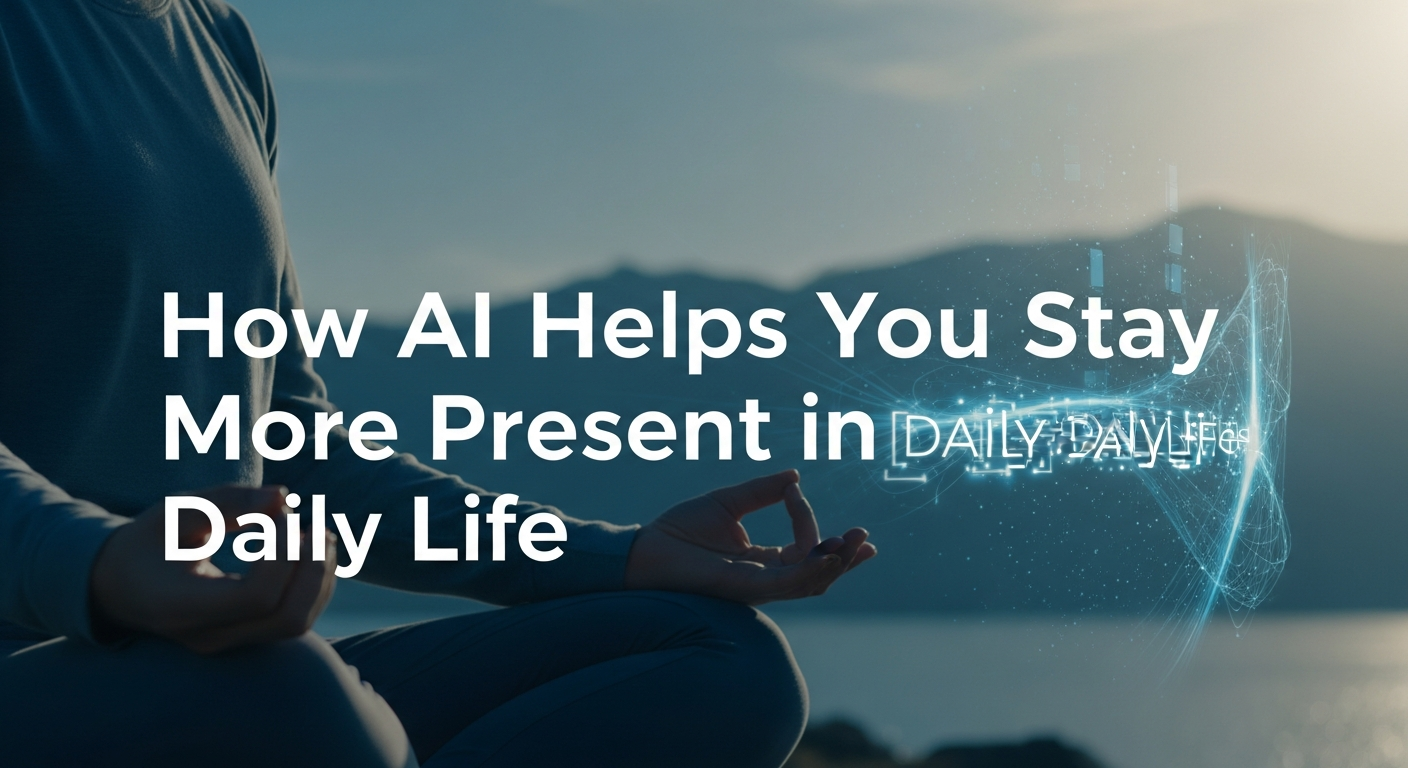
In today's fast-paced world, it's easy to get caught up in the hustle and bustle of daily life and forget to stay present in the moment. With constant notifications, endless to-do lists, and the pressure to stay connected, it's no wonder many of us struggle to stay grounded and focused on what's truly important. However, presence is essential for both our mental and emotional well-being, allowing us to cultivate a sense of calm, clarity, and purpose. As we navigate the complexities of modern life, it's becoming increasingly clear that mental wellness is just as vital as physical health, and that's where AI comes in.
The Growing Importance of Mental Wellness
With the rising awareness of mental health issues such as anxiety, depression, and burnout, it's no surprise that people are turning to innovative solutions to support their well-being. Mental wellness is not just the absence of mental illness, but a state of being that encompasses emotional resilience, self-awareness, and a sense of fulfillment. As we strive to create a healthier work-life balance, AI is emerging as a powerful tool to help us achieve this goal. By leveraging AI in our daily lives, we can gain valuable insights into our thoughts, feelings, and behaviors, and develop more effective strategies for managing stress and staying present.
How AI Can Contribute to a More Present Life
So, how exactly can AI help us stay more present in our daily lives? From mindfulness apps that guide us through meditation and deep breathing exercises, to AI-powered wearables that track our physical and emotional responses, the possibilities are vast. In this article, we'll explore the various ways AI can support our journey towards greater presence and mental wellness. We'll delve into the latest research and innovations, and provide practical tips and recommendations for incorporating AI into your daily routine. Whether you're looking to reduce stress, improve your focus, or simply cultivate a greater sense of awareness, this article will show you how AI can be a powerful ally on your path to a more present, mindful life.
Some of the key topics we'll cover include:
- The role of AI in mindfulness and meditation
- The benefits of AI-powered wearables for tracking physical and emotional responses
- How AI can help us develop healthier relationships with technology and social media
By the end of this article, you'll have a deeper understanding of the potential of AI to enhance your presence and mental wellness, and be equipped with the knowledge and tools to start making positive changes in your daily life.
Understanding AI and Its Applications
To grasp how AI helps us stay more present in daily life, it's essential to understand the basics of AI and machine learning. Artificial Intelligence refers to the development of computer systems that can perform tasks that typically require human intelligence, such as learning, problem-solving, and decision-making. Machine learning, a subset of AI, involves the use of algorithms that enable systems to learn from data and improve their performance over time without being explicitly programmed.
AI Applications in Daily Life
AI is increasingly integrated into our daily lives, from smart home devices that learn our preferences to health trackers that monitor our physical activity and sleep patterns. These applications not only make our lives more convenient but also provide us with valuable insights into our behaviors and habits. For instance, virtual assistants like Siri, Alexa, and Google Assistant use AI to understand voice commands and perform tasks such as setting reminders, sending messages, and controlling other smart devices. Moreover, image recognition technology is used in social media platforms to identify and tag faces, and in self-driving cars to detect and respond to their surroundings.
Other notable AI applications include chatbots that offer customer support, personalized product recommendations on e-commerce websites, and predictive maintenance in industries such as manufacturing and aviation. These examples demonstrate how AI is transforming various aspects of our lives, making them more efficient, personalized, and automated.
AI-Powered Tools for Presence and Wellness
There are numerous AI-powered tools designed to enhance our presence and well-being. Mindfulness apps such as Headspace and Calm use AI to offer personalized meditation sessions based on our goals, preferences, and progress. These apps often include features like mood tracking, sleep monitoring, and guided meditations to help us cultivate mindfulness and reduce stress. Additionally, wearable devices like smartwatches and fitness trackers use AI to analyze our physical activity, heart rate, and other health metrics, providing us with valuable insights into our overall well-being.
Virtual assistants can also be used to promote presence and wellness by setting reminders to practice mindfulness, sending motivational quotes, and even guiding us through meditation sessions. Furthermore, AI-powered wellness platforms can help us develop personalized wellness plans by analyzing our lifestyle, preferences, and health goals. These platforms often include features like nutrition planning, workout routines, and stress management techniques, all tailored to our unique needs and objectives.
The Potential of AI in Personalized Wellness Plans
The potential of AI in creating personalized wellness plans is vast and promising. By analyzing our health data, lifestyle, and preferences, AI-powered systems can identify patterns and trends that may not be apparent to us. This information can be used to develop customized wellness strategies that address our specific needs and goals. For example, an AI-powered wellness platform might recommend a personalized diet plan based on our nutritional needs, health goals, and food preferences. Similarly, it could suggest a workout routine that takes into account our fitness level, available time, and preferred activities.
Moreover, AI can help us stay accountable and motivated by tracking our progress, providing feedback, and offering encouragement. Personalized coaching is another area where AI can make a significant impact, offering guidance and support tailored to our unique needs and objectives. As AI technology continues to evolve, we can expect to see even more innovative applications in the realm of wellness and presence, enabling us to live healthier, happier, and more fulfilling lives.
The integration of AI in daily life has the potential to revolutionize the way we approach wellness and presence, enabling us to make more informed decisions, develop healthier habits, and cultivate a deeper sense of awareness and mindfulness.
In conclusion, understanding the basics of AI and its applications is essential for harnessing its potential in enhancing our daily life presence. By leveraging AI-powered tools and platforms, we can develop personalized wellness strategies, cultivate mindfulness, and improve our overall well-being. As we continue to explore the possibilities of AI in wellness and presence, we may uncover even more innovative ways to apply this technology, leading to a brighter, healthier, and more fulfilling future for all.
Real-World Examples of AI for Presence
The integration of Artificial Intelligence (AI) in daily life has led to numerous innovative solutions that promote presence and well-being. From AI case studies that demonstrate its positive impact on mental health to the development of mindfulness tools and apps, AI is revolutionizing the way we approach our daily lives. In this section, we will delve into real-world examples of how AI can help individuals stay more present and mindful.
AI-Powered Mental Health Solutions
Research has shown that AI can be an effective tool in improving mental health outcomes. For instance, AI-powered chatbots have been used to provide emotional support and therapy to individuals struggling with anxiety and depression. A study published in the Journal of Clinical Psychology found that participants who used an AI-powered chatbot experienced significant reductions in symptoms of anxiety and depression. This highlights the potential of AI in providing accessible and personalized mental health support. Some notable examples of AI-powered mental health solutions include Woebot, a chatbot that uses natural language processing to provide cognitive-behavioral therapy, and Wysa, an AI-powered mental health app that offers personalized support and guidance.
AI-Driven Mindfulness and Meditation Tools
Mindfulness tools and meditation apps are another area where AI is making a significant impact. Apps like Headspace and Calm use AI to provide personalized meditation sessions and track user progress. These apps often feature guided meditations led by experienced instructors, and AI algorithms help to tailor the content to the user's specific needs and goals. By leveraging AI, these apps can offer a more engaging and effective mindfulness experience. For example, Headspace uses AI to create customized meditation plans based on a user's goals, such as reducing stress or improving sleep. Users can also track their progress and receive personalized feedback and recommendations.
Reducing Screen Time and Improving Sleep Quality with AI
In addition to mental health and mindfulness, AI can also help individuals reduce screen time and improve sleep quality. Apps like Freedom and SelfControl use AI to block distracting websites and apps, helping users stay focused and avoid mindless scrolling. Other apps, such as Sleep Cycle and Pillow, use AI to track sleep patterns and provide personalized recommendations for improving sleep quality. By using AI to monitor and analyze sleep data, these apps can help individuals identify patterns and habits that may be disrupting their sleep. For instance, Sleep Cycle uses AI to detect when a user is in a light sleep phase and wakes them up during a predetermined time window, helping to improve the quality of their sleep.
Some notable examples of AI-driven solutions for reducing screen time and improving sleep quality include:
- Freedom: an app that uses AI to block distracting websites and apps across all devices
- Sleep Cycle: an app that uses AI to track sleep patterns and provide personalized recommendations for improving sleep quality
- Pillow: an app that uses AI to track sleep patterns and provide personalized insights and recommendations
By leveraging AI, individuals can take a more proactive and informed approach to managing their screen time and improving their sleep quality, leading to a more balanced and present life.As the use of AI in daily life continues to grow, we can expect to see even more innovative solutions that promote presence, mindfulness, and overall well-being.
Advanced AI Concepts for Enhanced Presence
The integration of advanced AI algorithms in wellness applications has revolutionized the way we approach daily life presence. By leveraging machine learning and deep learning techniques, AI-powered tools can now offer personalized wellness recommendations, tailored to an individual's specific needs and preferences. One of the key technologies driving this trend is Natural Language Processing (NLP), which enables AI systems to understand and interpret human language, facilitating more effective human-AI interactions.
The Role of NLP in AI Wellness Tools
NLP plays a crucial role in AI wellness tools, as it allows users to interact with the system using natural language, making it more accessible and user-friendly. By analyzing user input, NLP-powered AI can identify patterns and sentiment, providing valuable insights into a user's mental state and emotional well-being. This information can then be used to offer personalized guidance and support, enhancing the overall effectiveness of the wellness tool. Some of the key applications of NLP in AI wellness tools include:
- Sentiment analysis: identifying user emotions and sentiment to provide targeted support
- Intent identification: determining user goals and intentions to offer relevant guidance
- Entity recognition: extracting relevant information from user input to provide personalized recommendations
Predicting and Preventing Mental Health Crises
The potential of AI in predicting and preventing mental health crises is a rapidly evolving area of research. By analyzing user data and behavior, advanced AI algorithms can identify early warning signs of mental health issues, such as depression and anxiety. This enables AI-powered systems to provide proactive support and intervention, helping to prevent mental health crises before they occur. Some of the key techniques used in AI-powered mental health prediction include:
- Machine learning: training AI models on large datasets to identify patterns and predict outcomes
- Deep learning: using neural networks to analyze complex user data and identify early warning signs
- NLP: analyzing user language and behavior to identify sentiment and intent
As AI continues to evolve, it is essential to consider the AI ethics implications of developing and deploying AI-powered wellness tools. This includes ensuring that AI systems are transparent, fair, and unbiased, as well as protecting user data and privacy. By prioritizing AI ethics, we can ensure that AI-powered wellness tools are developed and used in a responsible and beneficial manner.
The Future of AI in Presence and Wellness
Looking to the future, it is clear that AI will play an increasingly important role in enhancing daily life presence and wellness. As advanced AI algorithms and technologies like NLP continue to evolve, we can expect to see even more sophisticated and effective AI-powered wellness tools. Some potential future developments include:
The integration of AI with emerging technologies like augmented reality and the Internet of Things (IoT), enabling more immersive and interactive wellness experiences. The development of more advanced AI-powered mental health prediction and prevention tools, using techniques like machine learning and deep learning to identify early warning signs and provide proactive support.
By staying at the forefront of these developments, we can unlock the full potential of AI in enhancing daily life presence and wellness, and create a brighter, healthier future for all.
Implementing AI Solutions for Presence
As we explore the potential of AI implementation in enhancing our daily life presence, it's essential to discuss practical ways to integrate these solutions into our routines. In this section, we'll delve into step-by-step guides, actionable tips, and best practices for maximizing the benefits of AI-powered wellness tools and apps.
Getting Started with AI-Powered Wellness Tools
To begin, it's crucial to choose the right AI wellness tools that align with your goals and needs. Start by researching popular apps and platforms that offer AI-driven features, such as meditation guidance, mood tracking, or personalized recommendations. Once you've selected a tool, follow these steps to get started:
- Download and install the app, and create an account if necessary
- Complete any initial assessments or surveys to help the AI system understand your preferences and goals
- Explore the app's features and functionality, and start with simple exercises or activities
- Set reminders and notifications to ensure consistent use and integration into your daily routines
Integrating AI into Daily Life
To effectively integrate AI into your daily life, it's essential to strike a balance between technology use and presence. Remember, the goal is to enhance your presence, not replace it. Here are some tips to keep in mind:
- Start small, and gradually increase your use of AI-powered wellness tools as you become more comfortable
- Set boundaries and limits on your technology use, such as designating device-free zones or times
- Combine AI-driven activities with mindful practices, such as meditation or deep breathing, to enhance their effectiveness
- Regularly review and adjust your AI implementation to ensure it remains aligned with your goals and needs
Maximizing Benefits and Avoiding Common Pitfalls
As you embark on your AI implementation journey, it's essential to be aware of common pitfalls that can hinder your progress. Be mindful of overreliance on technology, and remember that AI is a tool, not a replacement for human connection and experience. To maximize the benefits of AI for presence, focus on the following strategies:
By being intentional and mindful in your use of AI-powered wellness tools, you can harness their potential to enhance your daily life presence and cultivate a deeper sense of awareness and connection.
Some common pitfalls to avoid include:
- Overreliance on AI-driven recommendations, rather than trusting your own intuition and judgment
- Ignoring or dismissing negative emotions or experiences, rather than confronting and learning from them
- Failing to maintain a balance between technology use and other aspects of your life, such as relationships, work, or physical activity
By being aware of these potential pitfalls and taking a balanced, intentional approach to AI implementation, you can unlock the full potential of AI-powered wellness tools and cultivate a more present, mindful, and fulfilling life.
Comparing AI Solutions for Presence
As the demand for AI-powered wellness platforms continues to grow, it's essential to compare and contrast the various solutions available in the market. Each platform has its unique features, benefits, and drawbacks, making it crucial to evaluate them based on individual needs and preferences. In this section, we'll delve into the pros and cons of different AI tools for presence, examine their cost-effectiveness, and explore alternative methods that don't rely on AI.
Evaluating AI-Powered Wellness Platforms
Several AI-powered wellness platforms are designed to enhance daily life presence, including meditation and mindfulness apps, virtual fitness coaches, and personalized wellness planners. Some popular options include Headspace, Calm, and Fitbit Coach. These platforms use AI comparison algorithms to provide personalized recommendations and track progress over time. While they offer numerous benefits, such as increased motivation and accountability, they also have some drawbacks, including limited human interaction and potential biases in AI decision-making.
A key consideration when evaluating these platforms is their cost-effectiveness. Some platforms offer free trials or basic plans, while others require a subscription or one-time payment. It's essential to weigh the costs against the benefits and consider whether the platform aligns with your specific needs and goals. For example, if you're looking for a meditation app, Headspace may be a good option, but if you prefer a more holistic approach to wellness, a platform like Fitbit Coach may be more suitable.
Alternative Methods for Enhancing Presence
While AI-powered wellness platforms can be highly effective, they're not the only solution for enhancing daily life presence. Nature-based therapies, such as walking or hiking, can be a great way to cultivate mindfulness and presence. Journaling and creative expression can also help individuals process their thoughts and emotions, leading to increased self-awareness and presence. Additionally, social connections and community-based activities can provide a sense of belonging and support, which is essential for overall well-being.
For those who prefer not to use AI-powered solutions, there are many alternative methods available. Some options include:
- Yoga and tai chi classes
- Mindfulness workshops and retreats
- Personal coaching or therapy sessions
- Mobile apps that focus on habit tracking and goal setting
Ultimately, the most effective solution for enhancing daily life presence will depend on individual preferences and needs. By considering the pros and cons of different AI-powered wellness platforms and exploring alternative methods, individuals can make informed decisions and find the best approach for cultivating greater presence and well-being in their daily lives.
A well-rounded approach to presence and wellness may involve a combination of AI-powered tools, alternative methods, and self-reflection. By being open to different solutions and approaches, individuals can find what works best for them and achieve a greater sense of balance and fulfillment in their lives.
Conclusion and Next Steps
In conclusion, our exploration of how AI helps you stay more present in daily life has revealed the profound impact this technology can have on enhancing wellness and fostering a more mindful existence. From streamlining tasks and reducing stress to providing personalized meditation and mindfulness exercises, the benefits of integrating AI solutions into your daily routine are multifaceted and significant.
Key Takeaways and Benefits
A summary of the key points discussed highlights the potential of AI to revolutionize the way we approach presence and wellness. By leveraging AI tools, individuals can experience reduced mental fatigue, improved focus, and an overall better quality of life. The wellness benefits of AI are not limited to personal growth; they also extend to professional development, allowing for more efficient time management and increased productivity.
Encouragement to Explore Further
As we move forward, it's essential to encourage readers to take the next steps in exploring AI solutions for themselves. Whether it's downloading a mindfulness app that utilizes AI to create personalized meditation plans or diving deeper into the world of AI technology to understand its capabilities and limitations, there's no better time to start than now. The journey to a more present and fulfilling life is highly personal, and AI can be a powerful companion on this path.
Resources for Continued Learning
For those interested in deeper learning, there are numerous resources available. Online courses and workshops offer insights into the development and application of AI in wellness and presence. Additionally, research papers and articles provide a more academic perspective on the subject, exploring the psychological and neurological impacts of AI-enhanced mindfulness practices. Some recommended resources include:
- Online courses on AI and mindfulness
- Research journals focusing on AI in wellness
- Communities and forums discussing AI applications in daily life
In conclusion, the integration of AI into our daily lives offers a promising avenue for enhancing presence and wellness. As we look to the future, it's crucial to remain open to the possibilities that AI presents, embracing its potential to transform our lives for the better. By taking the next steps today, whether through exploring AI-driven wellness tools or simply being more mindful of how we can harness AI for good, we pave the way for a more present, more mindful, and more fulfilling tomorrow.

Comments (0)
Please login or register to leave a comment.
No comments yet. Be the first to comment!